

Author
Anju Khanna Saggi
Content & Media Relations
Published: 2024-05-30
Last updated: 2026-05-05
In the construction materials and heavy equipment industry, idling refers to engines running without doing productive work. For example, machines in quarries that are running, but not productively moving equipment or materials are common instances where idling occurs. The reason idling is such an offender is because it leads to unnecessary fuel consumption, increased emissions, and faster depreciation of expensive machines and assets.
Addressing how to reduce idling is therefore of paramount importance. This article covers the following:
- What is meant by idling in Heavy Industry?
- The Green effect of Minimizing Idling
- Heavy Industries that can benefit from Gamification
- Preventive Maintenance and Gamification
- Savings Calculator for Idle Hours
- 5 motivators that can contribute to reducing idling time
What is Meant by Idling in Heavy Industry?
High idle times harm both your operations and the environment. It increases your CO2 emissions and fuel costs and reduces your fleet’s lifespan and resale value. Essentially it is bad for the bottom line and harmful to the climate.
Idling in the Heavy industry is associated with for example, construction vehicles or heavy machinery engines running while stationary or performing non-productive tasks. Poor habits and lack of accountability or awareness are major culprits and contributors to idling. There are also other instances, such as equipment warm-up periods, breaks, and waiting for materials that add to idling time.
The implications are significant and making a collaborative effort and striving for reduced idling can lead to substantial savings and operational improvements.
The Green Effect of Minimizing Idling
Reduced fuel cost is one immediate effect of reducing idling. Argonne National Laboratory estimates that more than one million long-haul heavy-duty trucks idle during required rest stops. They also evaluated that even with fuel prices as low as $2 per gallon, the wasted fuel translates into more than $11 billion annually.
However, what is the actual impact on the environment? There are ‘green’ gains to be made by minimizing idling, as it means lower greenhouse gas emissions and fewer pollutants released into the atmosphere. An idling vehicle releases harmful chemicals, gases and particle pollution, which contributes to ozone and global climate change. Every gallon of gas burned produces more than 20 pounds of greenhouse gases. Noise pollution is also another side-effect of idling.
By adopting practices and technologies that minimize idling, companies can significantly reduce their carbon footprint and promote a greener future.
Heavy Industries that can Benefit from Gamification
Gamification applies elements of playing and game design in non-game contexts. For example, CheckProof’s app for frontline staff includes gamification elements used in basic maintenance checks and while doing inspection rounds. By integrating gamification into daily operations, companies can enhance employee engagement, improve best practices, and encourage proactive behavior. We’ve included five examples below of motivators that will help workers perform better and foster a culture of continuous improvement.
Preventive Maintenance and Gamification
Savings Calculator for Idle hours
CheckProof’s Fleet Optimization feature, can help you maximize efficiency and savings for your mobile fleet. With our calculator, you can quickly calculate the savings you can expect to achieve with reduced idling hours.
Preventive maintenance is necessary to optimize the condition of assets, sites and machinery and avoid unforeseen breakdowns.
Gamification can become an indispensable preventive maintenance strategy as it promotes staff engagement. Rewarding workers for timely inspections or encouraging friendly on-site competitions can contribute to the prolonged lifespan of equipment, reduce downtime, and increase availability and overall productivity.
However, breaking bad habits is hard, so to drive positive behavioral change to reduce idling time, implementing engaging elements, such as CheckProof’s Fleet Optimization feature with gamification tools can be invaluable.
Motivating, engaging, and incentivizing staff will help them build lasting positive habits. And what better way than having fun while adding emotional reinforcement?
It can drive change from the ground up, making it the perfect tool for empowering your employees.
5 motivators that can contribute to reducing idling time
The following motivators can be used to create a gamification experience to help employees break a bad habit:
Motivator 1: Community
How can you make your employees feel like they are part of something bigger than themselves?
It’s a human condition to strive to be part of something meaningful, where our actions make a difference. With the right digital tools, your employees can see their efforts add up to something more significant than the sum of their daily tasks. Perhaps a friendly team competition against other similar sites?
Motivator 2: Accomplishment
We all love the feeling of accomplishing something great.
Comparison is a great way to spark that emotion. Try comparing one wheel loader against another – which one did best? Make sure to praise the winner.
Motivator 3: Ownership
We protect what’s ours.
That’s why it’s a good idea to give frontline employees first-hand results on who’s improving the most. When there’s immediate feedback on our work and achievements, we get more involved.
Motivator 4: Social influence
Who doesn’t like a little friendly competition?
Don’t underestimate the importance of workplace banter. If an employee knows what they need to do to beat their colleague, you can bet they will do it so that they can brag about it in the break room.
Motivator 5: Avoidance
Gamification doesn’t have to be all fun and play.
It can also trigger emotions of loss. Not wanting something bad to happen is a powerful tool when working with behavioral change, because who wants to place last at the site?
Excessive idling is a bad practice that’s survived for decades, and the reason CheckProof launched Fleet Optimization is because we understand the reality is many companies operate with a mixed fleet of machines.
Therefore, one of the keys to meeting sustainability targets relies on optimizing existing assets. Gamification can be an unexpected ally in meeting your goals.
Author
Want to know what CheckProof can do for you?
CheckProof's easy-to-use app makes it easier to do the right thing at the right time. Discover how you can run world-class maintenance that is both cost-effective and sustainable.
Book a demo
2026-09-29
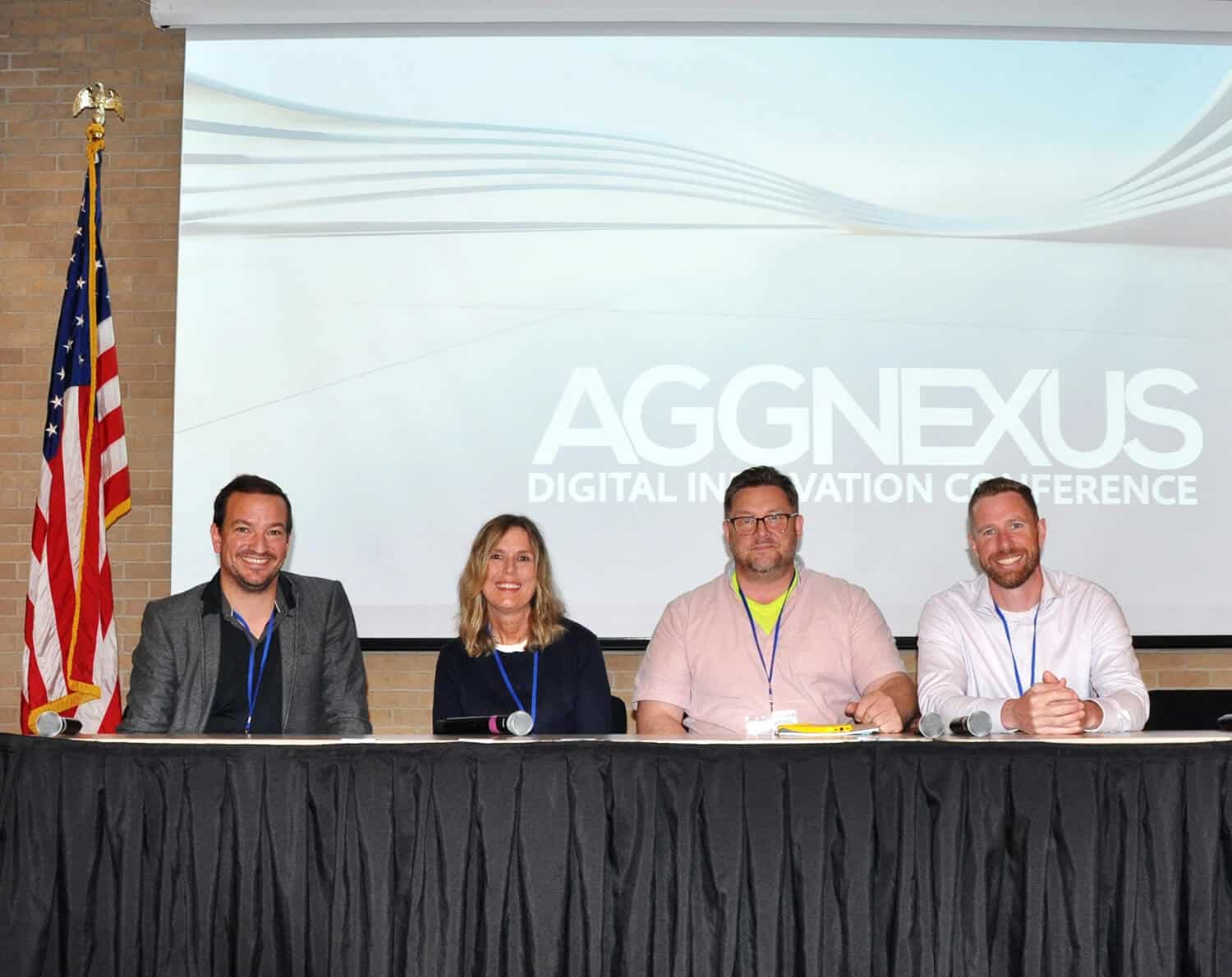
The AggNexus 2026 Report: Highlights from the Digital Innovation Conference
AggNexus 2026 in Austin was the biggest edition yet. After a year of AI first steps, the focus shifted to how to get people to change. Here are CheckProof’s key takeaways on change management, fast-moving AI, compliance and passing on know-how.
2026-09-24
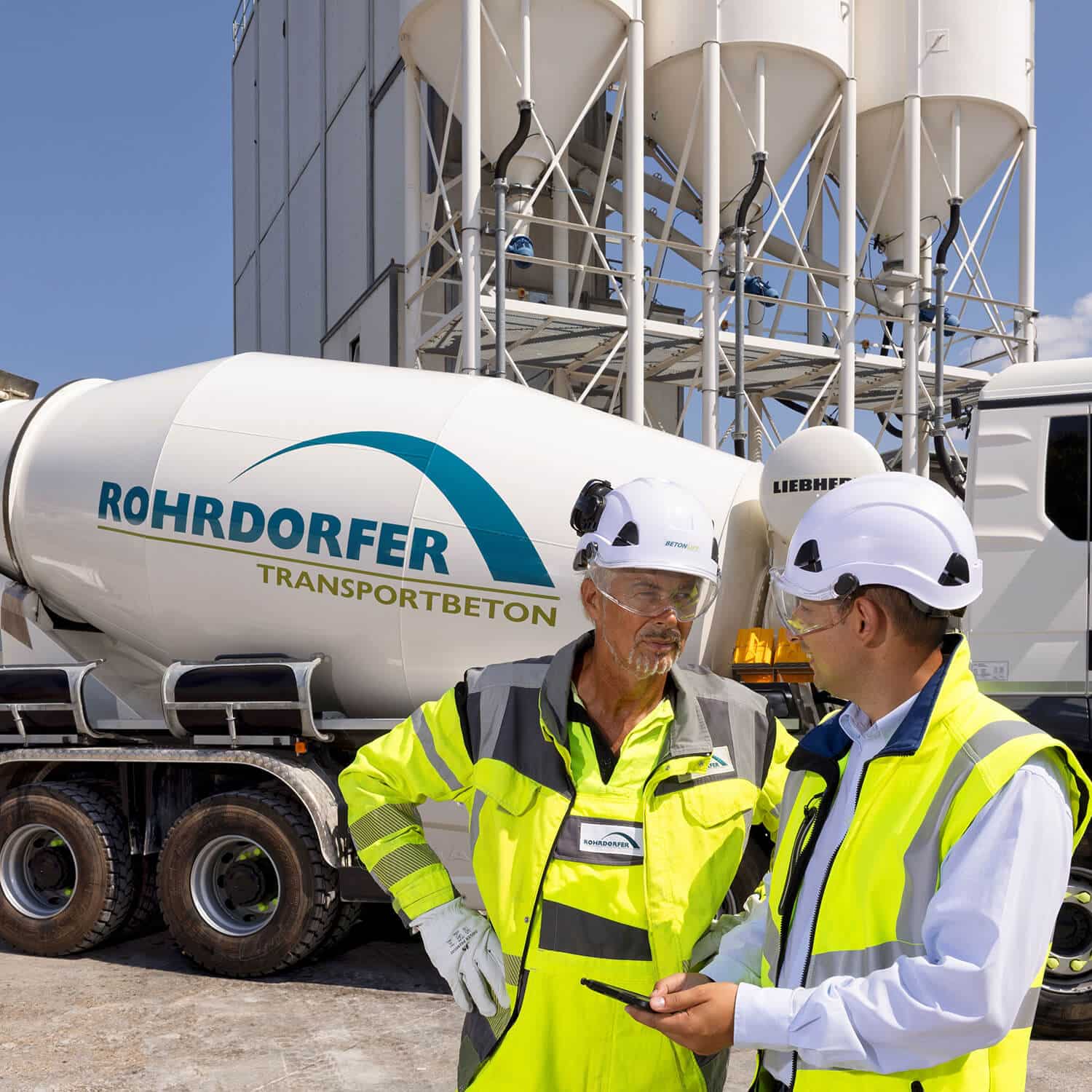
A Stronger Foundation: Rohrdorfer on Digitizing Safety and Efficiency
Rohrdorfer, a leading construction materials producer in five countries, has used CheckProof for years to streamline safety, maintenance and quality work and to sharpen its customer focus.

2026-07-10
10 Must-Have Features for an Incident Management Platform in the Heavy Industry
When an incident happens, every minute matters. A near miss, equipment damage, or a hydraulic leak can quickly become a bigger risk if the issue is not reported, investigated, and followed up properly. When an incident happens, every minute matters. A near miss that goes unreported, or a fault that isn’t followed up, can quickly become a bigger risk if the issue is not reported.

2026-07-09
The Benefits of a Quarry Crusher Management Software
Paper forms, scattered systems, and knowledge locked in one person’s head all delay the same thing: catching crusher problems before they become breakdowns. This piece covers the four biggest challenges in crusher operations and how CheckProof brings inspections, maintenance, and issue tracking into one place.

2026-07-06
Hillhead 2026 – The CheckProof Report
Hillhead 2026 broke every record with 627 exhibitors and three days packed with electric machinery, connected intelligence, and sustainable innovation. CheckProof was on the ground as an exhibitor and sponsor — here’s what our team took away from the show floor.

2026-06-12
Brice Aggregates: What Operational Excellence Looks Like at a Needingworth Quarry
The inaugural CheckProof Industry Excellence Award winners on going digital from the ground up, and the moment their frontline teams bought in.
2026-05-07
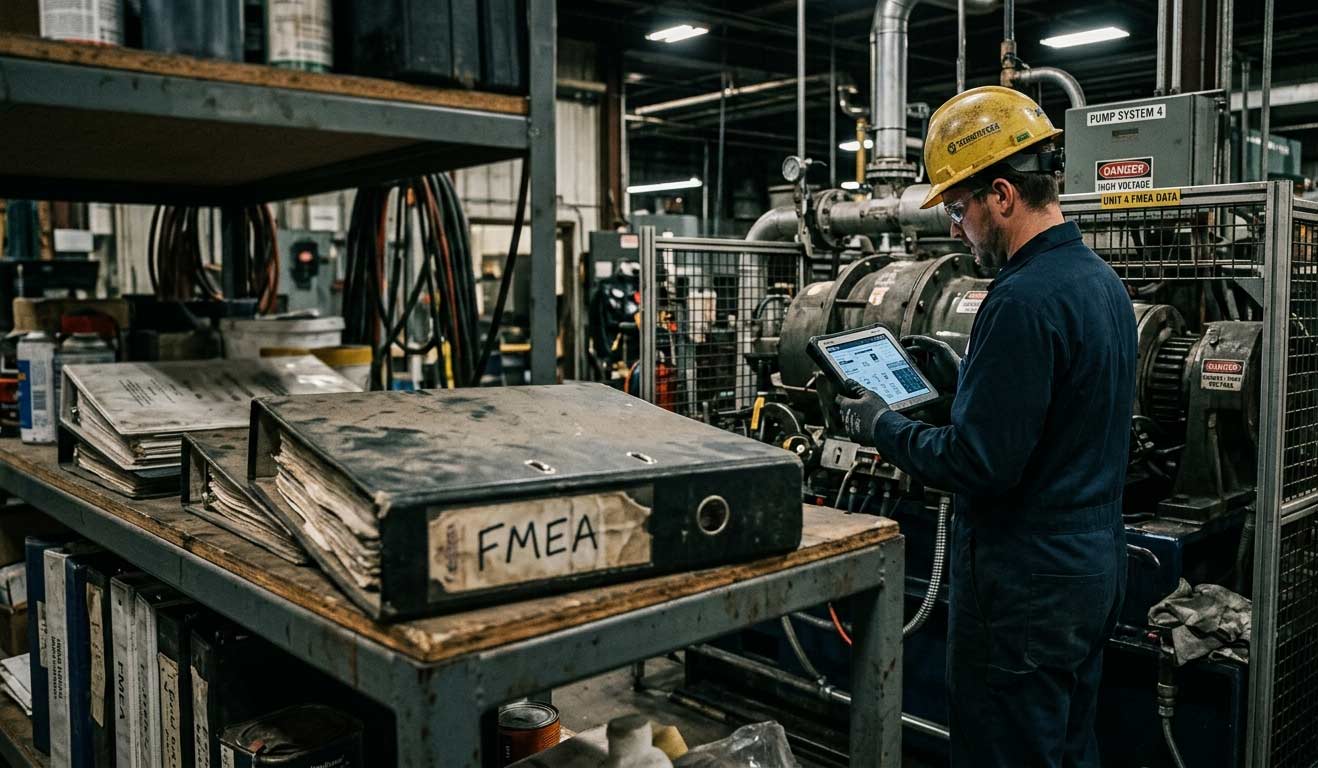
Why Your FMEA Is Sitting in a Binder (And What It Should Be Doing Instead)
Most facilities have an FMEA — but it’s collecting dust in a binder instead of driving decisions on the floor. Here’s how to turn your risk analysis into a living tool that actually protects uptime.

2026-04-24
CMMS Features and Functionality: What to Look for in a Maintenance Management System
Not all CMMS (Computerized Maintenance Management System) platforms are built the same, and in industries like quarrying, aggregates, cement, and ready-mix concrete, there are certain capabilities that carry more weight than others. The CMMS features that matter most for maintenance teams in asset-intensive industries include things such as centralized asset data, work order automation, preventive and predictive scheduling, digital checklists, deviation management, fleet optimization, and mobile-first design with offline capability.

2026-04-24
Cement Plant Inspection Checklist: What to Check, When to Check It, and Why It Fails
Most unplanned shutdowns in a cement plant don’t come out of nowhere. There’s usually a trail beforehand. Maybe a kiln bearing that’s been running 15 degrees above baseline for three weeks, noted by the operator on shift but never formally flagged because it hadn’t tripped an alarm yet. The issue isn’t a lack of warning, its that small deviations are often tolerated until they tip over into something serious.

2026-04-01
How to Choose the Right Work Order App for Your Industry
When something breaks on site, the fix gets most of the attention, but it’s rarely where things go wrong. What’s just as critical is everything around it: who reported it, who picked it up, what got missed between shifts, and how long it sat before anyone acted. In many operations, that whole flow is still held together by paper forms, radio calls, and memory.


