
Author
Anju Khanna Saggi
Content & Media Relations
Published: 2025-12-11
Last updated: 2026-04-30
Hazards don’t announce themselves. Sometimes it’s a loose handrail you’ve walked past a hundred times, a wet patch under a conveyor, or a loader operator with a blind spot during a busy load-out. The more familiar the site becomes, the easier it is to miss what’s right in front of you.
This guide breaks down the process of identifying hazards and how to reduce them into clear steps. You’ll learn what the difference is between a hazard and a risk, how to identify issues in real working conditions, how to reduce them before anyone starts the task, and how risk assessments tie it all together.
- Difference between a hazard and a risk
- How to identify hazards
- How to reduce those hazards before work starts
- Tying it together with solid risk assessments
- Doing it digitally: a simple way to capture, track, and close out hazards
- FAQ
What’s the Difference Between a Hazard and a Risk?
Hazard and risk are at times used (incorrectly) interchangeably. While in most cases people will still understand what you are referring to regardless of which one you use, it’s still a good idea to understand the distinction between them.
A hazard is anything with the potential to cause harm.
It can be a physical condition, a behavior, or a change in environment. In real operations, hazards show up as:
- Mechanical issues, like an unguarded tail pulley
- Surface conditions, such as a wet or uneven walkway
- Equipment factors, like a haul truck with limited visibility
- Worn or damaged tools, such as a frayed sling or cracked ladder
A risk is the likelihood and severity of that hazard causing harm.
Risk depends on the situation around the hazard, such as how often people are exposed, how the task is done, and what controls already exist. For instance:
- A loose handrail on a seldom-used platform presents one level of risk.
- The same handrail on a frequently used platform, especially in poor weather or low light, carries a higher risk.
How to Identify Hazards at Your Site
Hazard identification is a continuous work effort, where you should aim to build a steady habit of observing how work, equipment, and conditions line up during a shift. Most hazards reveal themselves if you look at the job through a few simple lenses: what people are doing, what the environment is doing, and what has changed since the last time the task was performed.
- Look at the task, not just the location: A spot may look fine during a walkthrough, but once the job starts, the movement of lifting, climbing, opening guards, or handling material exposes hazards that aren’t visible when equipment is idle. Going through the actual motions of the work reveals more than looking at the area alone.
- Scan for conditions that don’t look right: Many hazards start as small signs of wear or environmental changes such as a vibration, a damp patch, a skewed guard. They may not stop production, but they show something is drifting from normal.
- Watch how people move: Real movement reveals hazards that procedures miss. People adjust to tight spaces, take shortcuts, or work in awkward positions that introduce new exposures. Watching the flow of a task shows where risks actually form.
- Consider what has changed: Hazards often develop because something has changed such as the weather, or the crew. A task that was safe yesterday may carry new risks today, even if the change seems small.
- Use routine checks to stay consistent: When work gets busy, the activities to identify any hazards tends to drop off. Structured checks like workplace exams or pre-use inspections create a stable baseline and keep attention on the fundamentals.
How to Reduce Hazards
Once a hazard has been identified, next is deciding how it should be managed. This starts with understanding the level of risk for how likely it is to cause harm and how serious the outcome could be. Some hazards only need a quick discussion and a simple control; others trigger a more formal review, especially if multiple crews interact with the area or if the potential consequences are severe.
Reducing a hazard involves a mix of planning, coordination, and follow-up. A supervisor may evaluate it on the spot, or the issue might be escalated to a maintenance lead or safety rep for a deeper look. Higher-risk items often require a small group to agree on controls or changes to the job. Some hazards may call for a formal risk assessment or JSA (Job Safety Analysis) update, while others simply need a temporary control put in place until a permanent fix is scheduled.
What matters is that the hazard doesn’t sit unnoticed in the system.
General steps for reducing hazards after identification:
- Assess the risk level to determine urgency and who needs to be involved
- Decide whether the hazard needs a formal risk assessment or a quick operational review
- Bring in the right people (operations, maintenance, safety) to confirm the best control
- Apply temporary measures if the permanent solution requires planning or downtime
- Update procedures, JSAs, or training materials if the hazard affects how a task should be done
- Track the fix to make sure it’s completed and not lost between shifts
Tying it All Together with a Risk Assessment
Risk assessments provide the structure behind day-to-day hazard identification. While hazards are often spotted in the moment, a risk assessment helps determine what to do next. It breaks the hazard into parts:
- what the hazard is
- who is exposed
- how likely it is to cause harm; and
- how serious that harm could be.
The purpose is to help teams get some clarity, to avoid overreacting to low-risk issues or overlooking high-risk ones that look minor at first glance. The value comes from discussing the hazard with the people who know the task best. Operators, mechanics, and supervisors see different angles, and bringing their perspectives together helps identify controls that are practical during real work. Once the risk is understood, the team can decide on temporary controls, long-term fixes, and any updates needed to procedures or training.
By using a digital platform to handle Risk assessment, incident management, deviations, checklists, and inspections, you can stay on top of safety and operational processes. And in extension, make it easier to identify hazards and take action to resolve them.
FAQ
Want to know what CheckProof can do for you?
CheckProof's easy-to-use app makes it easier to do the right thing at the right time. Discover how you can run world-class maintenance that is both cost-effective and sustainable.
Book a demo
2026-09-29
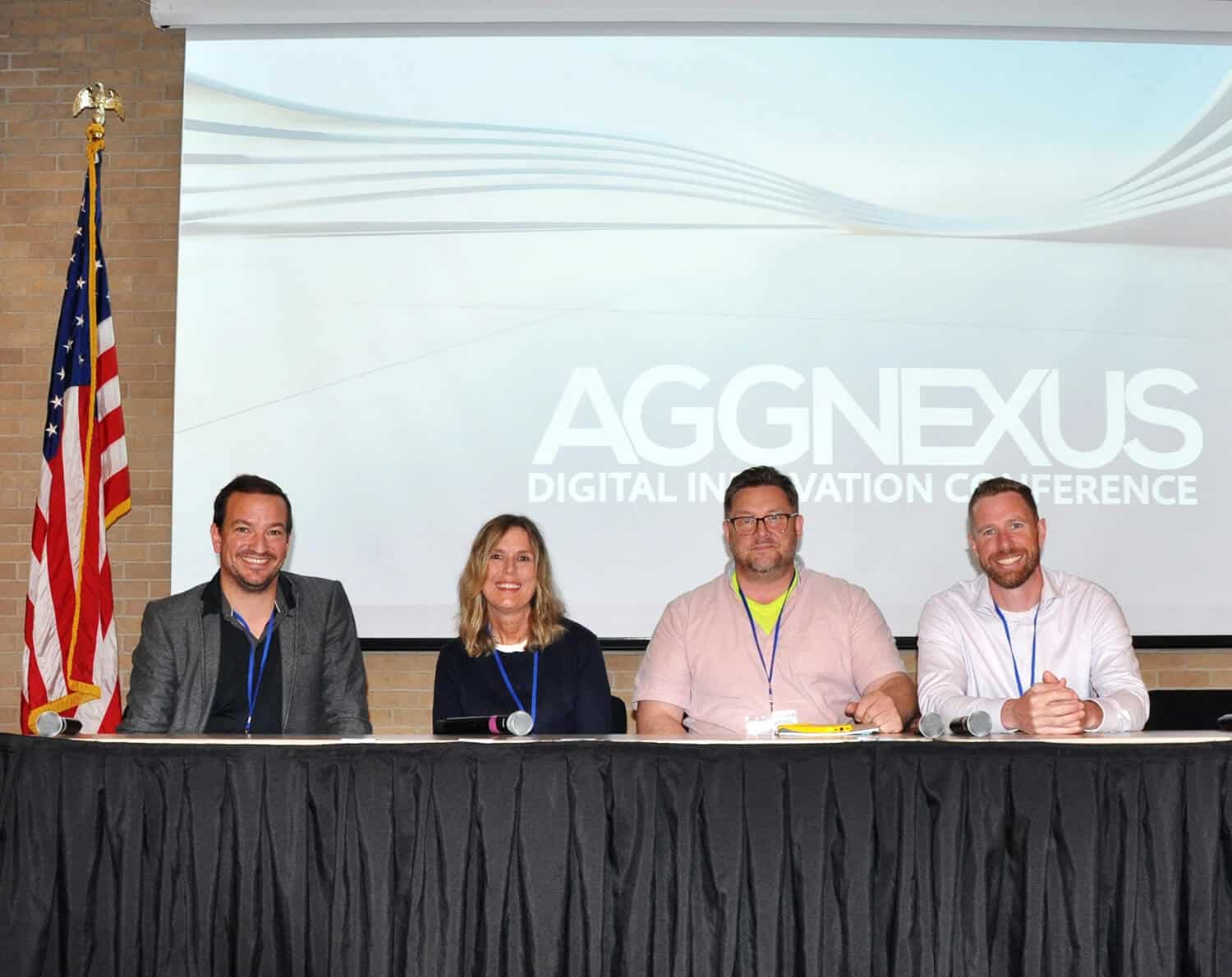
The AggNexus 2026 Report: Highlights from the Digital Innovation Conference
AggNexus 2026 in Austin was the biggest edition yet. After a year of AI first steps, the focus shifted to how to get people to change. Here are CheckProof’s key takeaways on change management, fast-moving AI, compliance and passing on know-how.
2026-09-24
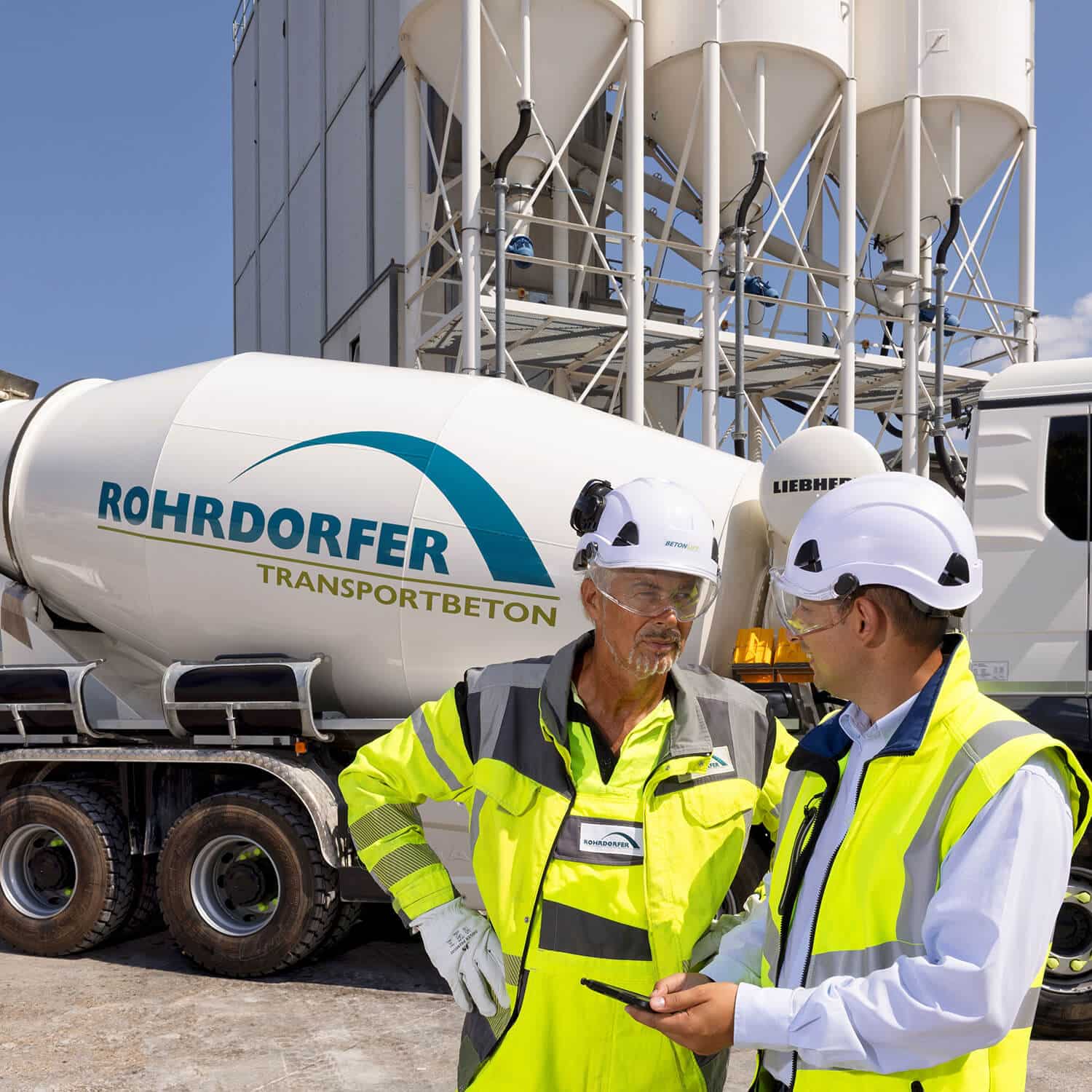
Stärkere Basis: Rohrdorfer verbessert durch Digitalisierung Sicherheit und Effizienz
Rohrdorfer, ein führendes Baustoffunternehmen in fünf Ländern, nutzt CheckProof seit Jahren für Sicherheit, Wartung und Qualität. Das stärkt den eigenen Betrieb und die Kundenorientierung.

2026-07-10
10 Must-Have Features for an Incident Management Platform in the Heavy Industry
When an incident happens, every minute matters. A near miss, equipment damage, or a hydraulic leak can quickly become a bigger risk if the issue is not reported, investigated, and followed up properly. When an incident happens, every minute matters. A near miss that goes unreported, or a fault that isn’t followed up, can quickly become a bigger risk if the issue is not reported.

2026-07-09
The Benefits of a Quarry Crusher Management Software
Paper forms, scattered systems, and knowledge locked in one person’s head all delay the same thing: catching crusher problems before they become breakdowns. This piece covers the four biggest challenges in crusher operations and how CheckProof brings inspections, maintenance, and issue tracking into one place.

2026-07-06
Hillhead 2026 – The CheckProof Report
Hillhead 2026 broke every record with 627 exhibitors and three days packed with electric machinery, connected intelligence, and sustainable innovation. CheckProof was on the ground as an exhibitor and sponsor — here’s what our team took away from the show floor.

2026-06-12
Brice Aggregates: What Operational Excellence Looks Like at a Needingworth Quarry
The inaugural CheckProof Industry Excellence Award winners on going digital from the ground up, and the moment their frontline teams bought in.
2026-05-07
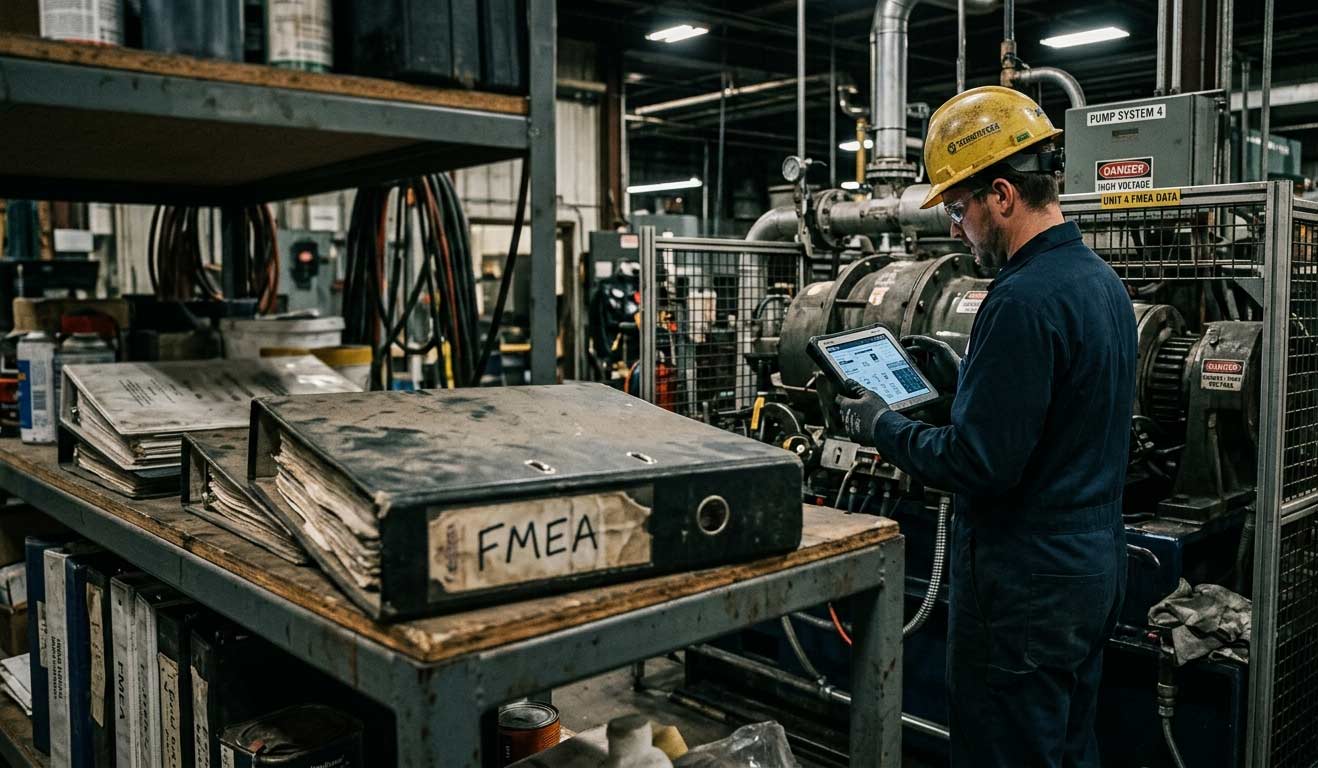
Why Your FMEA Is Sitting in a Binder (And What It Should Be Doing Instead)
Most facilities have an FMEA — but it’s collecting dust in a binder instead of driving decisions on the floor. Here’s how to turn your risk analysis into a living tool that actually protects uptime.
2026-04-24
CMMS Features and Functionality: What to Look for in a Maintenance Management System
Not all CMMS (Computerized Maintenance Management System) platforms are built the same, and in industries like quarrying, aggregates, cement, and ready-mix concrete, there are certain capabilities that carry more weight than others. The CMMS features that matter most for maintenance teams in asset-intensive industries include things such as centralized asset data, work order automation, preventive and predictive scheduling, digital checklists, deviation management, fleet optimization, and mobile-first design with offline capability.

2026-04-24
Cement Plant Inspection Checklist: What to Check, When to Check It, and Why It Fails
Most unplanned shutdowns in a cement plant don’t come out of nowhere. There’s usually a trail beforehand. Maybe a kiln bearing that’s been running 15 degrees above baseline for three weeks, noted by the operator on shift but never formally flagged because it hadn’t tripped an alarm yet. The issue isn’t a lack of warning, its that small deviations are often tolerated until they tip over into something serious.

2026-04-01
How to Choose the Right Work Order App for Your Industry
When something breaks on site, the fix gets most of the attention, but it’s rarely where things go wrong. What’s just as critical is everything around it: who reported it, who picked it up, what got missed between shifts, and how long it sat before anyone acted. In many operations, that whole flow is still held together by paper forms, radio calls, and memory.