
Author
Linn Björklund
Published: 2022-01-27
Last updated: 2025-03-13
There’s a lot of truth in the expression “what gets measured gets done”. Unless you start tracking the causes of unplanned downtime or breakdowns in your facilities, you won’t know what measures to take to improve availability in the future. Therefore, documentation and traceability are key to reduce downtime. But how do you prioritise these matters in a busy workday? These four tips will help you succeed.
1. Build a continuous improvement culture
Making sure everyone knows what they’re supposed to do is one thing; getting that bevaviour to really stick in the group on a day-to-day basis is a different matter. To succeed requires clear leadership and division of responsibilities. The employees need to understand the purpose – and see the results of – following the established routines and documenting every defect and deviation. Otherwise, lack of motivation (and human error) will lead to negligence, low priority, and important data not being recorded. Again, continuous follow-ups are crucial. They will show the long-term results of performing tasks that might be difficult to see the immediate impact of and allow plant managers to detect if anything has been neglected. Doing the right thing should be easy and rewarding; not doing it needs to have consequences – before it causes another unplanned stoppage.
Find out more in the article How to establish a continuous improvement culture for your facility.
2. Simplify, and digitize frontline reporting
The bigger the facility, the more there is to control and document, which becomes overwhelming if done on paper. More and more companies use digital systems for documenting and following up on stoppages and downtime (caused by acute corrective maintenance or other disruptions), as well as detailed checklists and routines for preventative maintenance tasks. This enables extensive documentation with categorisation, photos, and comments showing the full historic records – without requiring vast resources; neither in time nor storage space. By connecting the control systems of your machines, vehicles, or facilities, you can make sure different routines are activated automatically after a specified production time, mileage, or number of produced units. This makes your maintenance work more accurate than if a routine is carried out at a fixed time interval, regardless of the actual production during the time span.

Best practice
9 keys to maximise the availability of your assets through frontline digitisation
To minimise downtime and maximise availability, you need clear routines and checklists – and your frontline staff to follow them. This guide is packed with best practices on how to leverage digital tools to enable behavioural change.

3. Keep a downtime log
Keep a downtime log that includes all forms of standstills, disruptions, and acute corrective maintenance that cause downtime. Make sure the documentation is as detailed as possible with photos and comments to clearly show what led up to the stoppage, which part of the facility caused it, as well as how long the downtime lasted, and what measures were taken to solve the problem.
By continuously collecting this data, you can start mapping out which types of issues are causing the most disruptions to planned production. That way, you’ll have the facts in place to make well-informed decisions that will reduce unplanned downtime in the future. Examples of measures could be improving routines and processes or calculating the ROI of larger investments needed to eliminate the root cause of recurring stoppages. The documentation in the log also minimises the risk of important information being lost if someone in the team should fall ill or leave the company.
4. Do continuous follow-ups
Documentation is an important first step, but without a proper follow-up, it won’t provide the desired results. Don’t let your documentation collect dust on a shelf somewhere. Identify stoppages where you see a pattern as well as the biggest potential for improvement. Analyse the root causes and set up an action plan to design them out or create additional routines to minimise future breakdowns. Include continuous follow-ups as a regular part of the agenda on weekly or monthly staff meetings. That way, you’ll show staff that these matters are prioritised by the company. It also means important lessons can be learned and shared directly with the entire team.
Author

Want to know what CheckProof can do for you?
CheckProof's easy-to-use app makes it easier to do the right thing at the right time. Discover how you can run world-class maintenance that is both cost-effective and sustainable.
Book a demo
2026-09-29
The AggNexus 2026 Report: Highlights from the Digital Innovation Conference
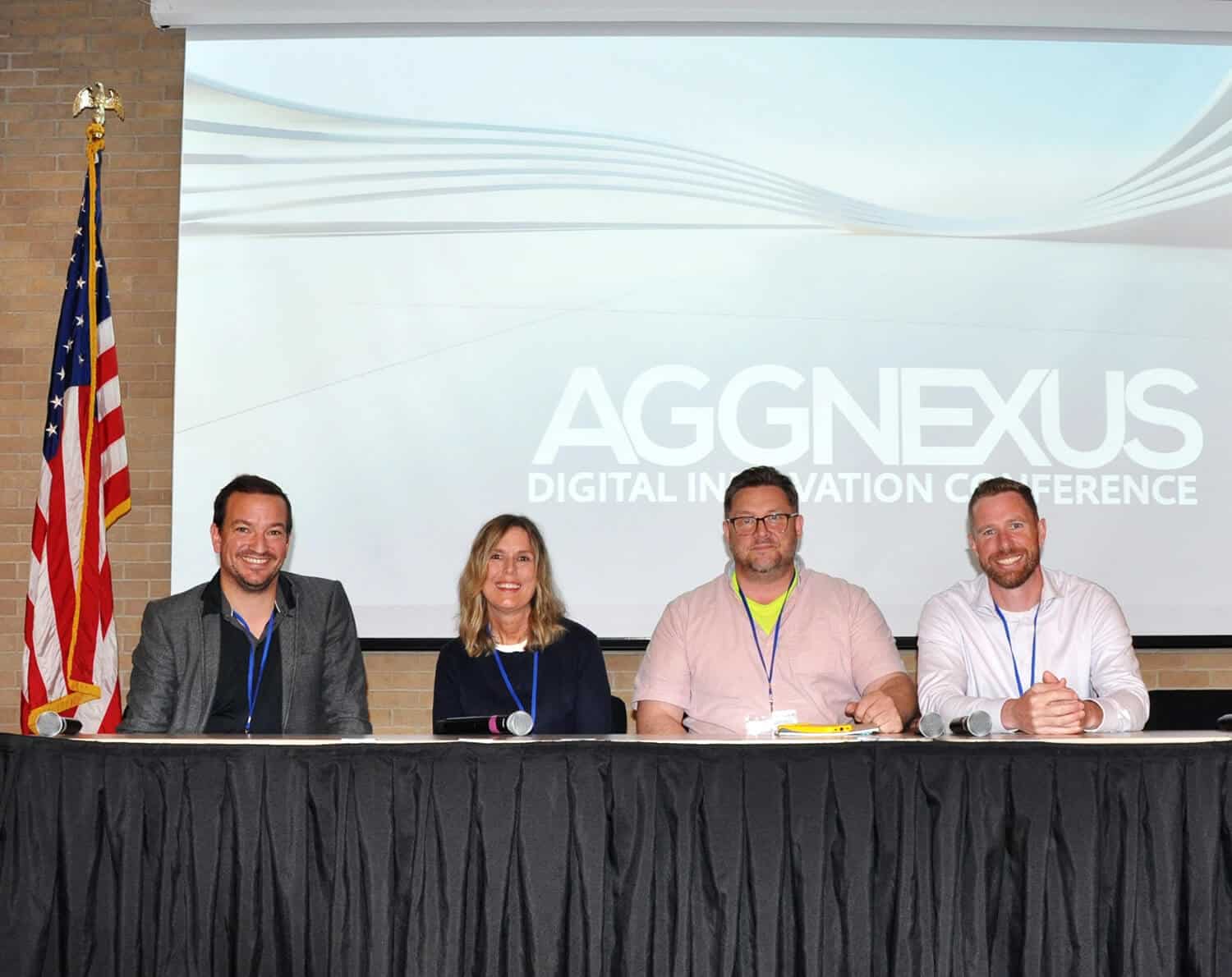
AggNexus 2026 in Austin was the biggest edition yet. After a year of AI first steps, the focus shifted to how to get people to change. Here are CheckProof’s key takeaways on change management, fast-moving AI, compliance and passing on know-how.

2026-09-24
Stärkere Basis: Rohrdorfer verbessert durch Digitalisierung Sicherheit und Effizienz
Rohrdorfer, ein führendes Baustoffunternehmen in fünf Ländern, nutzt CheckProof seit Jahren für Sicherheit, Wartung und Qualität. Das stärkt den eigenen Betrieb und die Kundenorientierung.

2026-07-10
10 Must-Have Features for an Incident Management Platform in the Heavy Industry
When an incident happens, every minute matters. A near miss, equipment damage, or a hydraulic leak can quickly become a bigger risk if the issue is not reported, investigated, and followed up properly. When an incident happens, every minute matters. A near miss that goes unreported, or a fault that isn’t followed up, can quickly become a bigger risk if the issue is not reported.

2026-07-09
The Benefits of a Quarry Crusher Management Software
Paper forms, scattered systems, and knowledge locked in one person’s head all delay the same thing: catching crusher problems before they become breakdowns. This piece covers the four biggest challenges in crusher operations and how CheckProof brings inspections, maintenance, and issue tracking into one place.

2026-07-06
Hillhead 2026 – The CheckProof Report
Hillhead 2026 broke every record with 627 exhibitors and three days packed with electric machinery, connected intelligence, and sustainable innovation. CheckProof was on the ground as an exhibitor and sponsor — here’s what our team took away from the show floor.

2026-06-12
Brice Aggregates: What Operational Excellence Looks Like at a Needingworth Quarry
The inaugural CheckProof Industry Excellence Award winners on going digital from the ground up, and the moment their frontline teams bought in.
2026-05-07
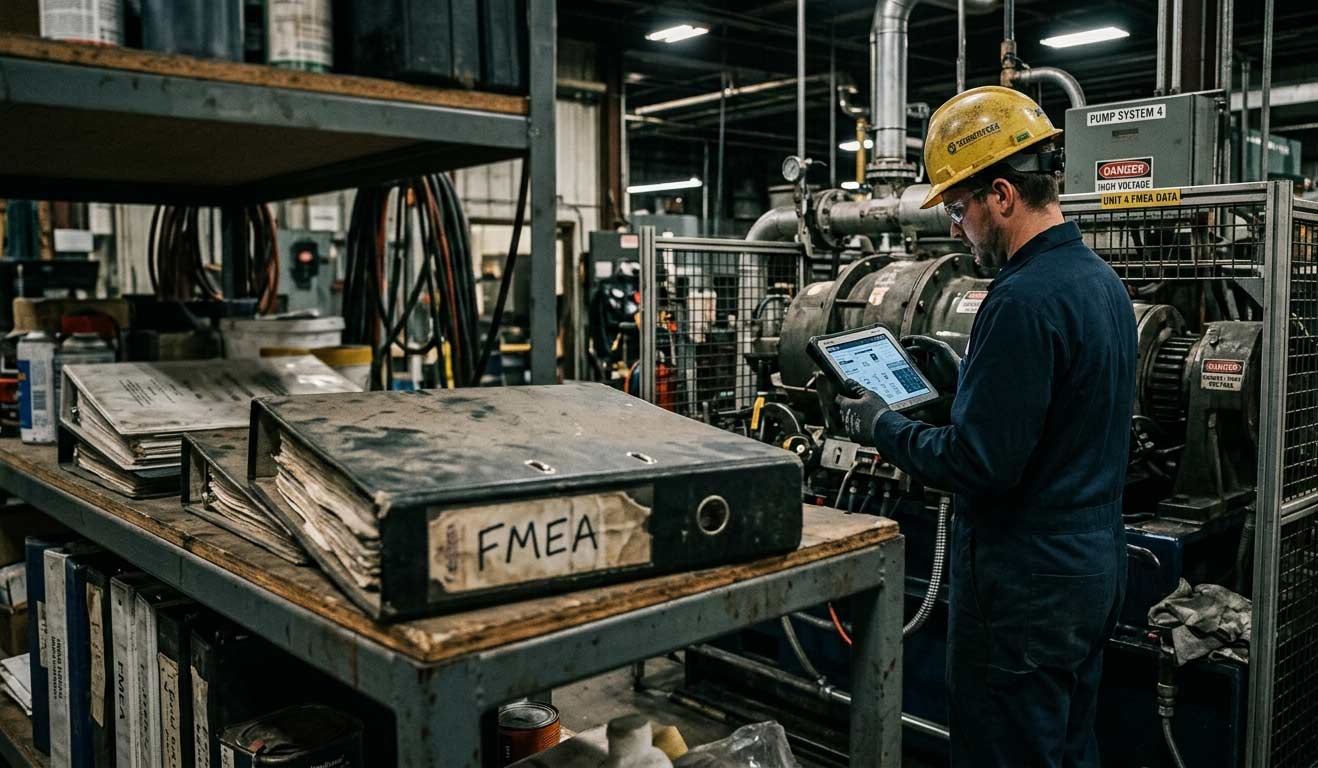
Why Your FMEA Is Sitting in a Binder (And What It Should Be Doing Instead)
Most facilities have an FMEA — but it’s collecting dust in a binder instead of driving decisions on the floor. Here’s how to turn your risk analysis into a living tool that actually protects uptime.

2026-04-24
CMMS Features and Functionality: What to Look for in a Maintenance Management System
Not all CMMS (Computerized Maintenance Management System) platforms are built the same, and in industries like quarrying, aggregates, cement, and ready-mix concrete, there are certain capabilities that carry more weight than others. The CMMS features that matter most for maintenance teams in asset-intensive industries include things such as centralized asset data, work order automation, preventive and predictive scheduling, digital checklists, deviation management, fleet optimization, and mobile-first design with offline capability.

2026-04-24
Cement Plant Inspection Checklist: What to Check, When to Check It, and Why It Fails
Most unplanned shutdowns in a cement plant don’t come out of nowhere. There’s usually a trail beforehand. Maybe a kiln bearing that’s been running 15 degrees above baseline for three weeks, noted by the operator on shift but never formally flagged because it hadn’t tripped an alarm yet. The issue isn’t a lack of warning, its that small deviations are often tolerated until they tip over into something serious.

2026-04-01
How to Choose the Right Work Order App for Your Industry
When something breaks on site, the fix gets most of the attention, but it’s rarely where things go wrong. What’s just as critical is everything around it: who reported it, who picked it up, what got missed between shifts, and how long it sat before anyone acted. In many operations, that whole flow is still held together by paper forms, radio calls, and memory.