
Author
Linn Björklund
Published: 2022-04-06
Last updated: 2026-04-29
Krånglig kvalitetskontroll ökar risken för kontaminerad data – speciellt om den görs manuellt. Du behöver därför implementera en digital process för där datan kommer direkt från källan. Detta ökar dess precision och minskar risken för kontaminering. Men hur lägger man upp en bra process?
1. Bestäm syftet med din kvalitetskontroll
Fråga dig själv: Varför gör vi kvalitetskontroller? Är det för att möta kraven från ett officiellt regelverk eller för att förbättra din egen verksamhet? Det första steget är att fastställa vilka kvalitetsattribut ni behöver möta och anpassa processen därefter.
Tänk samtidigt på att ert digitala system måste vara användarvänligt. Om det bortser från användarens perspektiv så kommer systemet inte nyttjas ordentligt. Säkerställ att du vet vilka kontroller som behöver göras och skapa rutiner anpassade till både ledningen och teamet på fältet.
2. Se över de specifika kraven för din anläggning
Vilka funktioner är kritiska för din kvalitetskontroll? Se till att dina operatörer har rätt utrustning när de utför kontroller på plats. Surfplattor och telefoner är oftast det bättre valet. De gör det möjligt för slutanvändare att både dokumentera och skicka in resultat på plats, medan en datoranvändare behöver logga och importera data till databasen retroaktivt.
Fastställ också om det finns ett behov av ett offlineläge. Inom t.ex. gruvdrift kan tillgången till internet vara begränsad. Se då till att din mjukvara stöder ett offlineläge som synkroniseras när det finns en internetanslutning.
3. Utvinn och integrera rätt data
Bestäm vad du ska göra med datan från kvalitetskontrollen. Vill du endast spåra grundläggande status och användning, eller behöver din verksamhet specifika analyser och API:er? De flesta mjukvaror har funktioner som, baserat på insamlad data, automatiskt skapar ett digitalt ramverk i systemet, och som stöder att all aktivitet däri sker i realtid. Kombinera dessa med rapporterade avvikelser och få en komplett översikt av din verksamhet.
4. Fokusera på fördelarna
Sist men inte minst: Tänk på de långsiktiga fördelarna med att utföra kvalitetskontroller digitalt. Det minskar nertid, håller din data ren och maximerar din drifttid. Så fokusera på kronan – inte på öret.
Vill du ha fler exempel på hur digitalisering optimerar dina rutiner och minimerar driftstopp? Ladda ner guiden “9 tips för att maximera tillgängligheten i produktionen genom smart digitalisering.”
Author

Want to know what CheckProof can do for you?
CheckProof's easy-to-use app makes it easier to do the right thing at the right time. Discover how you can run world-class maintenance that is both cost-effective and sustainable.
Book a demo
2026-09-29
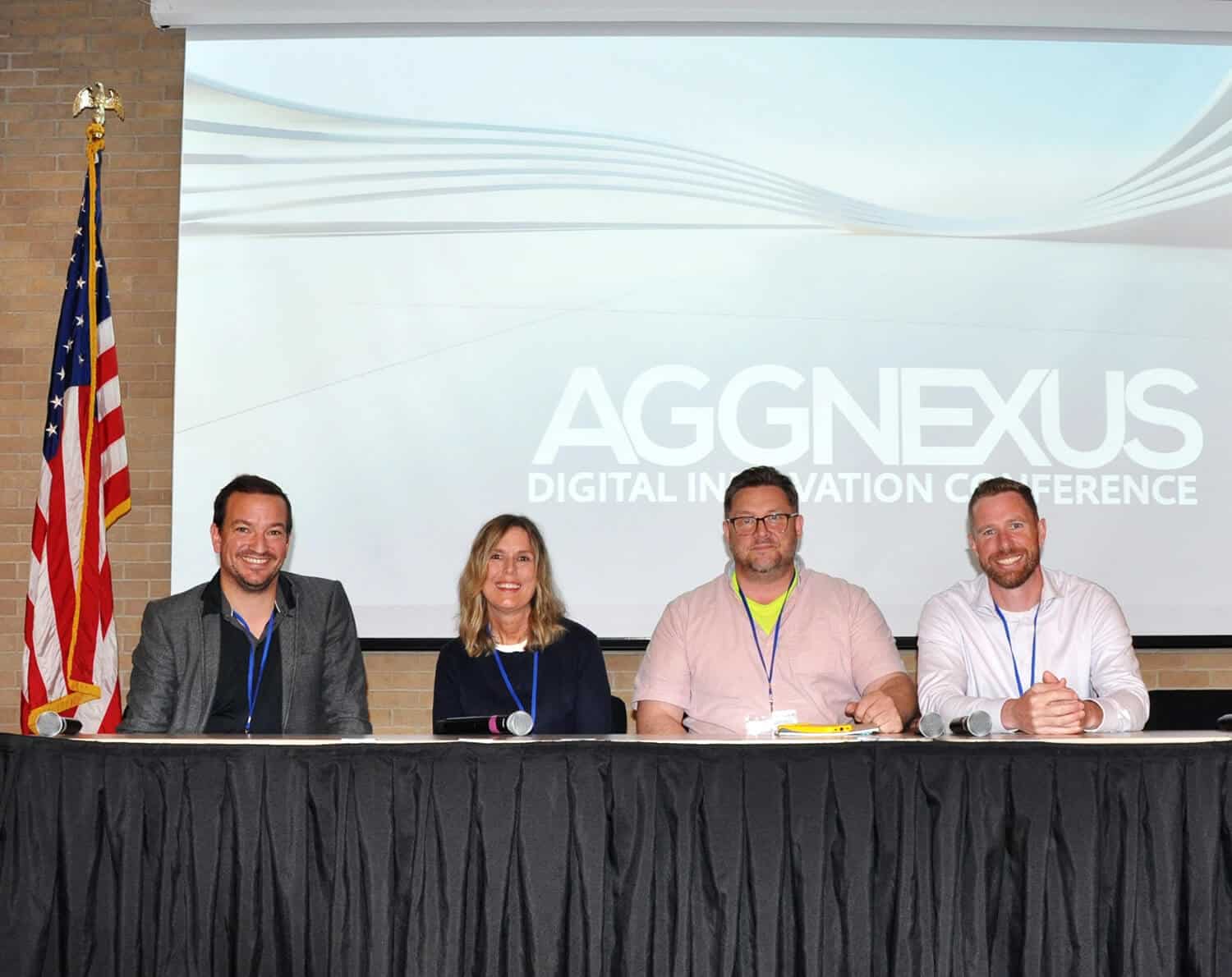
The AggNexus 2026 Report: Highlights from the Digital Innovation Conference
AggNexus 2026 in Austin was the biggest edition yet. After a year of AI first steps, the focus shifted to how to get people to change. Here are CheckProof’s key takeaways on change management, fast-moving AI, compliance and passing on know-how.

2026-09-24
A Stronger Foundation: Rohrdorfer on Digitizing Safety and Efficiency
Rohrdorfer, a leading construction materials producer in five countries, has used CheckProof for years to streamline safety, maintenance and quality work and to sharpen its customer focus.

2026-07-10
10 Must-Have Features for an Incident Management Platform in the Heavy Industry
When an incident happens, every minute matters. A near miss, equipment damage, or a hydraulic leak can quickly become a bigger risk if the issue is not reported, investigated, and followed up properly. When an incident happens, every minute matters. A near miss that goes unreported, or a fault that isn’t followed up, can quickly become a bigger risk if the issue is not reported.

2026-07-09
The Benefits of a Quarry Crusher Management Software
Paper forms, scattered systems, and knowledge locked in one person’s head all delay the same thing: catching crusher problems before they become breakdowns. This piece covers the four biggest challenges in crusher operations and how CheckProof brings inspections, maintenance, and issue tracking into one place.

2026-07-06
Hillhead 2026 – The CheckProof Report
Hillhead 2026 broke every record with 627 exhibitors and three days packed with electric machinery, connected intelligence, and sustainable innovation. CheckProof was on the ground as an exhibitor and sponsor — here’s what our team took away from the show floor.

2026-06-12
Brice Aggregates: What Operational Excellence Looks Like at a Needingworth Quarry
The inaugural CheckProof Industry Excellence Award winners on going digital from the ground up, and the moment their frontline teams bought in.
2026-05-07
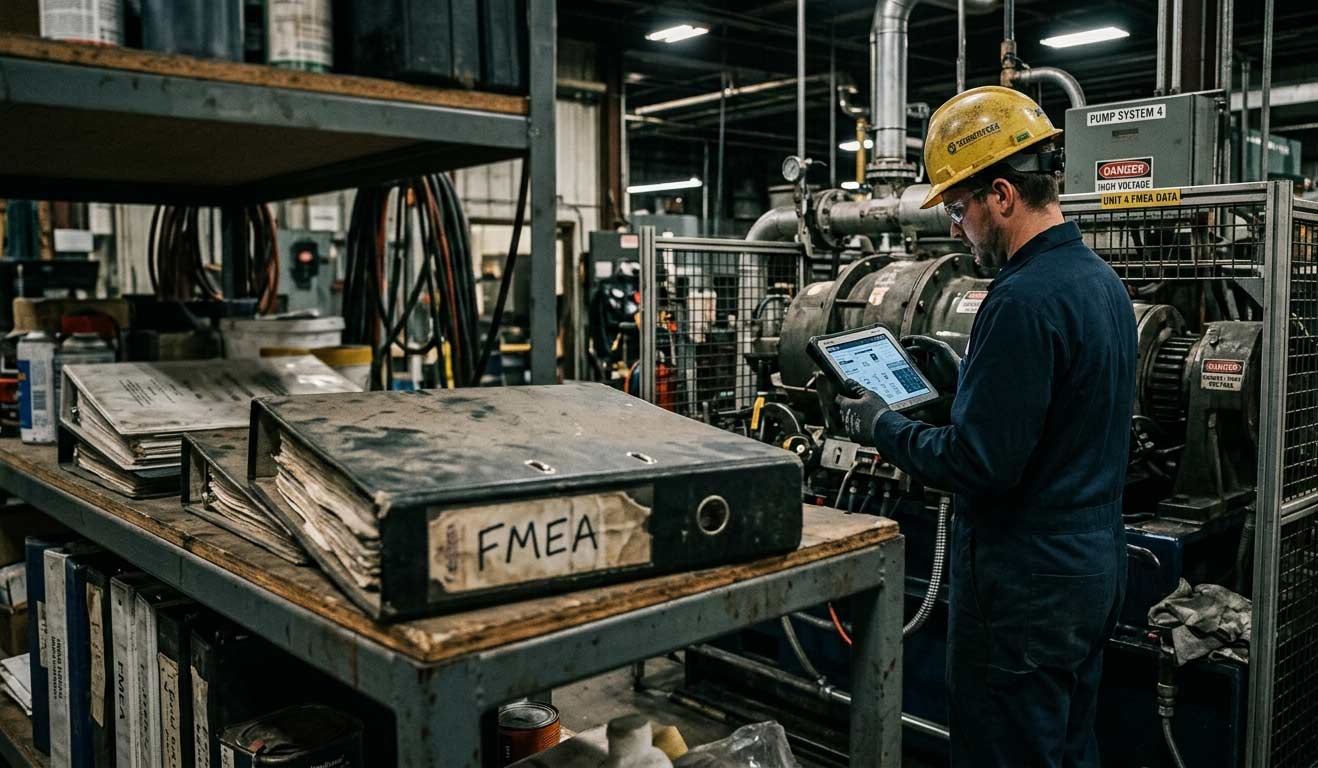
Why Your FMEA Is Sitting in a Binder (And What It Should Be Doing Instead)
Most facilities have an FMEA — but it’s collecting dust in a binder instead of driving decisions on the floor. Here’s how to turn your risk analysis into a living tool that actually protects uptime.

2026-04-24
CMMS Features and Functionality: What to Look for in a Maintenance Management System
Not all CMMS (Computerized Maintenance Management System) platforms are built the same, and in industries like quarrying, aggregates, cement, and ready-mix concrete, there are certain capabilities that carry more weight than others. The CMMS features that matter most for maintenance teams in asset-intensive industries include things such as centralized asset data, work order automation, preventive and predictive scheduling, digital checklists, deviation management, fleet optimization, and mobile-first design with offline capability.

2026-04-24
Cement Plant Inspection Checklist: What to Check, When to Check It, and Why It Fails
Most unplanned shutdowns in a cement plant don’t come out of nowhere. There’s usually a trail beforehand. Maybe a kiln bearing that’s been running 15 degrees above baseline for three weeks, noted by the operator on shift but never formally flagged because it hadn’t tripped an alarm yet. The issue isn’t a lack of warning, its that small deviations are often tolerated until they tip over into something serious.

2026-04-01
How to Choose the Right Work Order App for Your Industry
When something breaks on site, the fix gets most of the attention, but it’s rarely where things go wrong. What’s just as critical is everything around it: who reported it, who picked it up, what got missed between shifts, and how long it sat before anyone acted. In many operations, that whole flow is still held together by paper forms, radio calls, and memory.