CheckProof Releases Construction Materials Industry Report 2026

Gebr. Arweiler: Transforming Multi-Site Maintenance with one Digital System

Author
Anju Khanna Saggi
Content & Media Relations
Published: 2026-02-20
Last updated: 2026-05-07
Gebr. Arweiler, a family-owned company with multiple locations across Saarland and France, has long been known for combining tradition with forward-looking action. With eight plants, a fleet of 26 trucks - including 5 electric vehicles - and a strong commitment to sustainability, the company needed a digital solution to optimize maintenance, asset management, and compliance.
Since implementing CheckProof in July 2024, Gebr. Arweiler has modernized its processes, improved cross-site transparency, and strengthened its long-term vision of operational efficiency, sustainability, and knowledge sharing.
We spoke with the team led by Managing Director Stefan Altmeyer to learn how CheckProof has transformed operations, reduced downtime, and supported employees across multiple locations.
Can you describe how operations were managed before CheckProof was introduced? What challenges did your team face?
Before CheckProof, operations relied heavily on paper-based manuals, printed Excel sheets, and verbal communication.
Altmeyer explains:
“The flow of information was delayed until it reached the Head of Maintenance. Production logs were printed, signed, and redistributed at each quarry. It could take several days for a task or problem to be properly recorded.”
Tracking compliance and production was laborious, and transparency between locations was limited. Coordination between the plants needed improvement, and data was often duplicated or hidden in email inboxes.
“Before CheckProof, tracking maintenance tasks was cumbersome and paper-based before they were entered into a maintenance planner. Now, everything updates in real time and is accessible anytime for everyone.”
How has CheckProof changed the planning and tracking of maintenance tasks at your sites?
All information is now centralized in one system. Excel sheets and printed reports have been replaced with a shared platform where every case can be viewed in real time. This ensures full transparency across the entire team — from machine operators and plant managers to senior management.
CheckProof now serves as a central hub for service tracking, compliance inspections, and asset management. Tasks such as annual fire extinguisher checks, first-aid kit inspections, and lifting gear monitoring are automatically scheduled, managed, and tracked. This ensures both legal compliance and operational safety.
How do the unit cards help in managing parts, replacements, and equipment upkeep?
Unit cards are highly customizable and can include customer-specific details, offering a clear and structured overview of each machine’s key parameters. Depending on the setup, the cards now contain detailed technical specifications for supplier inquiries or new procurement.
“We now even have the option to trigger ordering processes directly through CheckProof,” explains Altmeyer.
“This creates real value for us as a company. Our employees can also be confident that everything is properly documented.”
How has the CheckProof Planning Tool helped you maintain transparency and control across multiple locations?
The Planning Tool provides a clear overview of all activities and allows central coordination across all sites in Germany and France. Each user can set their preferred language - German or French - ensuring smooth and straightforward collaboration.
Filters allow plant management to view upcoming checks, services, missed inspections, and deviations. Color coding helps maintain an overview. From these, action items and maintenance task lists are automatically created. The system ensures cross-site coordination, streamlines workflows, and improves accountability.
Since implementing CheckProof, can you share KPIs related to time savings, efficiency gains, or reduced downtime?
Digitizing the production log alone has improved both the speed and accuracy of reporting. Instead of entering data multiple times and sending emails back and forth, information is recorded once in CheckProof and is instantly visible to management and administration teams.
Maintenance planning features have helped prevent unexpected breakdowns, as alerts prompt teams to take action before failures occur. This has ensured on-time deliveries and avoided costly downtime.
How does the system support fleet management?
“All documents - including service contracts, intervals, TÜV inspections, and driver checklists - are stored in CheckProof,” Altmeyer explains.
Daily departure checks are not only operationally necessary but also legally required. CheckProof ensures that these checks are completed, logged, and archived automatically.
“This creates real value for us as a company. Our employees can also be confident that everything is properly documented. In case of an accident or damage, we can access all centrally stored data,” adds Altmeyer.
How do digital workflows support sustainability, especially for electric trucks?
The company has been operating electric vehicles for around two years - a key part of its broader strategy to reduce emissions. Through CheckProof’s flexible checklist setup, custom EV checklists can be stored directly with the corresponding vehicle file.
CheckProof also enables the recording of energy consumption in the form of electricity. Beyond manual entries, it can integrate with fuel management software to track consumption and progress toward sustainability KPIs.
“We are currently working with CheckProof on this step,” the team notes.
How has CheckProof changed daily workflows for maintenance teams and logistics coordinators?
Deviations are recorded digitally and become immediately visible. Photos and comments help describe issues clearly, allowing corrective actions to be initiated right away. These deviations automatically generate tasks which, once resolved, are marked as completed.
All records are stored indefinitely, supporting long-term knowledge retention. New employees quickly adapt thanks to the system’s intuitive interface, while digitalized knowledge ensures continuity even as experienced staff retire.
What motivated your company to introduce CheckProof?
Digitalization is clearly the direction the industry is heading towards, and Gebr. Arweiler wanted to prepare for the future. Managing Director Michael Arweiler explains:
“We chose CheckProof because it was developed by industry experts who understand our challenges. The CheckProof team supported us in developing checklists and implementing workflows across our sites.”
How does digitizing maintenance align with your long-term vision?
The company combines tradition with innovation.
“We want to honor our roots as a family-owned business while preparing for the future. Digitization and sustainability are not just trends - they are essential for growth, reliability, and long-term success,” says Michael Arweiler.
What digital or operational goals do you aim to achieve with CheckProof in the next 12–24 months?
The team plans to further optimize maintenance processes, expand predictive maintenance, and integrate additional sustainability metrics. The focus remains on operational efficiency, knowledge retention, and long-term reliability across all sites.
For Gebr. Arweiler, CheckProof helps bridge the company’s long family history and its vision for a modern, sustainable, and efficient future. From coordinating multiple sites and maintaining asset visibility to predictive maintenance and knowledge preservation, CheckProof has become an essential part of their operational success.
Want to know what CheckProof can do for you?
CheckProof's easy-to-use app makes it easier to do the right thing at the right time. Discover how you can run world-class maintenance that is both cost-effective and sustainable.
Book a demo
2026-09-29
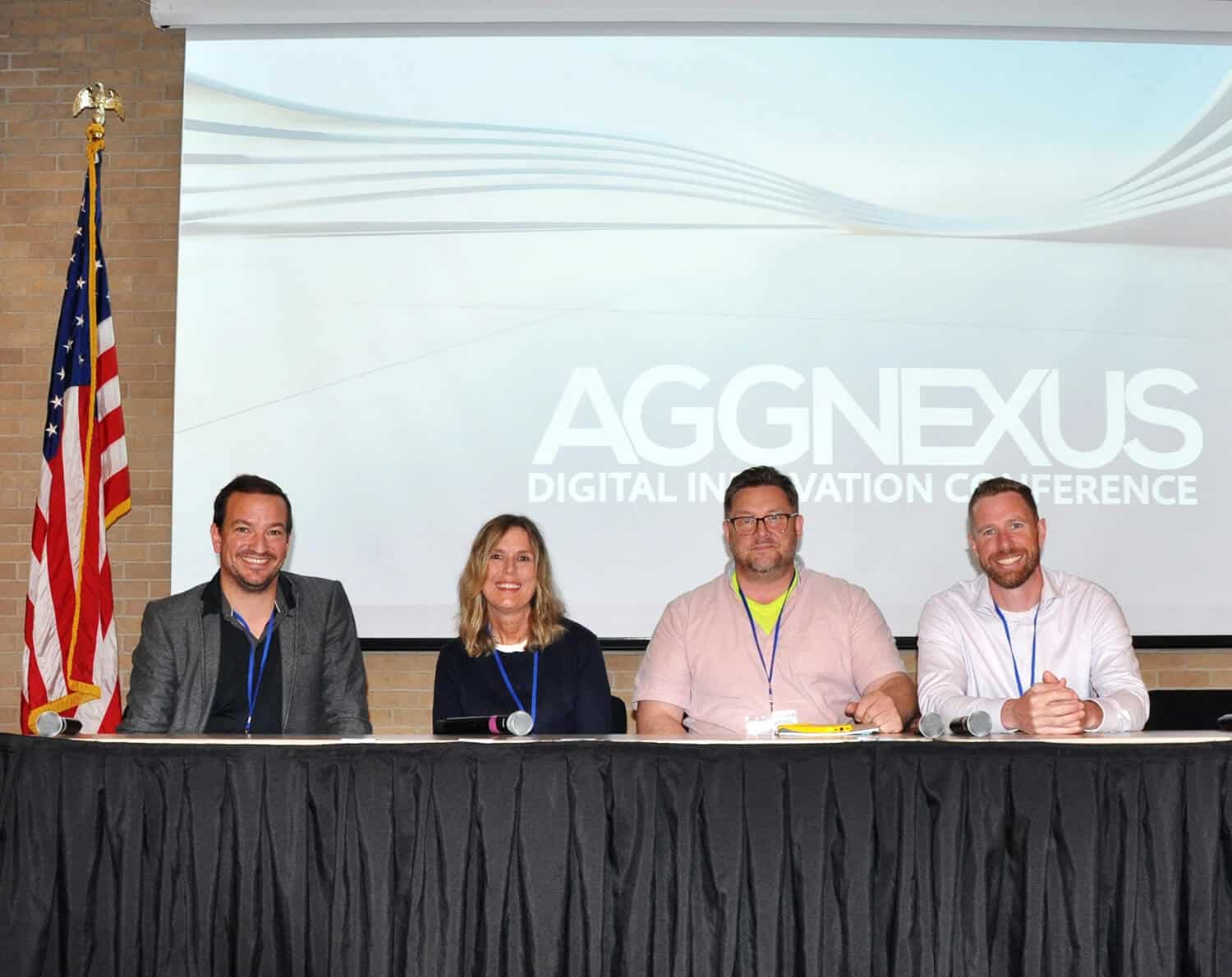
The AggNexus 2026 Report: Highlights from the Digital Innovation Conference
AggNexus 2026 in Austin was the biggest edition yet. After a year of AI first steps, the focus shifted to how to get people to change. Here are CheckProof’s key takeaways on change management, fast-moving AI, compliance and passing on know-how.
2026-09-24
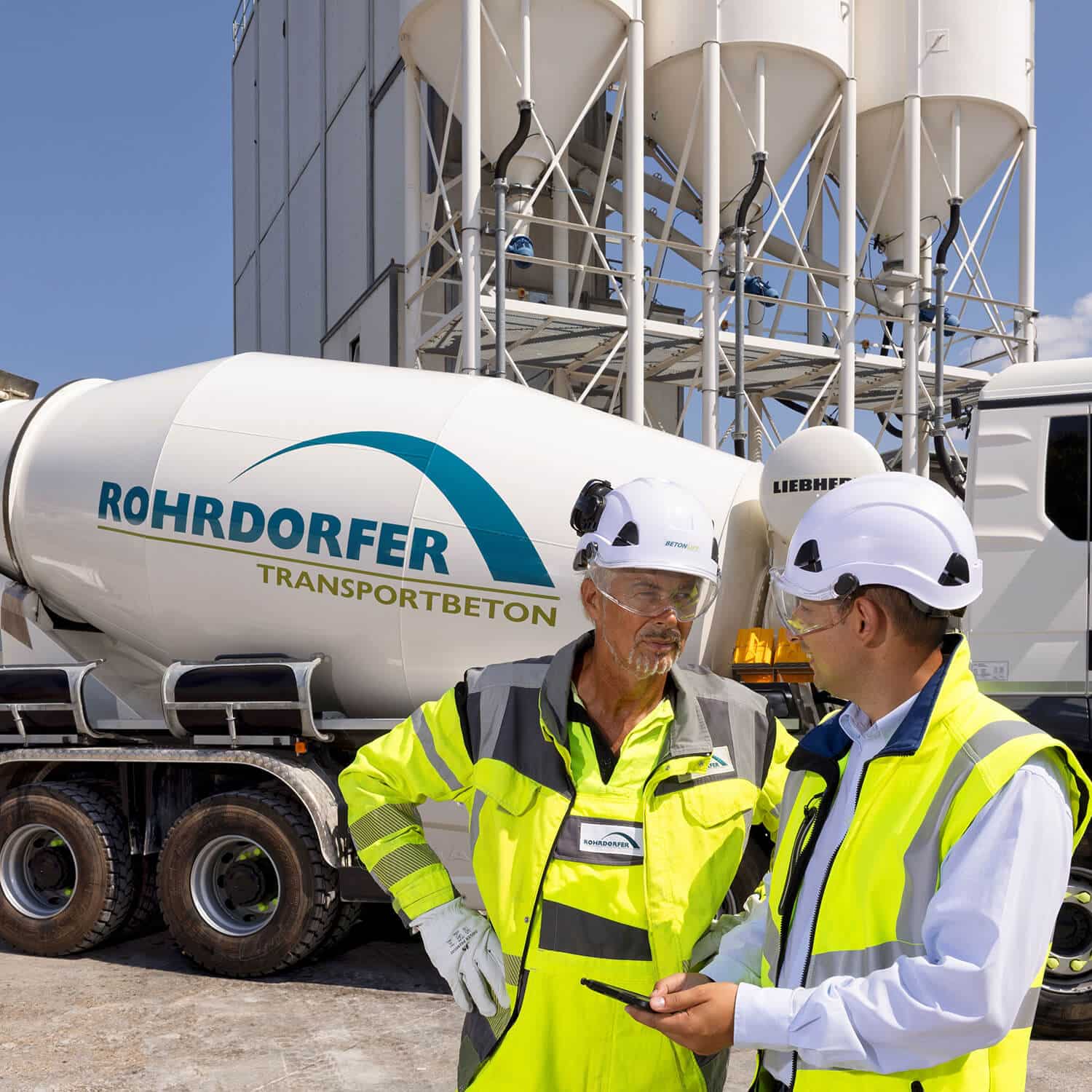
A Stronger Foundation: Rohrdorfer on Digitizing Safety and Efficiency
Rohrdorfer, a leading construction materials producer in five countries, has used CheckProof for years to streamline safety, maintenance and quality work and to sharpen its customer focus.

2026-07-10
10 Must-Have Features for an Incident Management Platform in the Heavy Industry
When an incident happens, every minute matters. A near miss, equipment damage, or a hydraulic leak can quickly become a bigger risk if the issue is not reported, investigated, and followed up properly. When an incident happens, every minute matters. A near miss that goes unreported, or a fault that isn’t followed up, can quickly become a bigger risk if the issue is not reported.

2026-07-09
The Benefits of a Quarry Crusher Management Software
Paper forms, scattered systems, and knowledge locked in one person’s head all delay the same thing: catching crusher problems before they become breakdowns. This piece covers the four biggest challenges in crusher operations and how CheckProof brings inspections, maintenance, and issue tracking into one place.

2026-07-06
Hillhead 2026 – The CheckProof Report
Hillhead 2026 broke every record with 627 exhibitors and three days packed with electric machinery, connected intelligence, and sustainable innovation. CheckProof was on the ground as an exhibitor and sponsor — here’s what our team took away from the show floor.

2026-06-12
Brice Aggregates: What Operational Excellence Looks Like at a Needingworth Quarry
The inaugural CheckProof Industry Excellence Award winners on going digital from the ground up, and the moment their frontline teams bought in.
2026-05-07
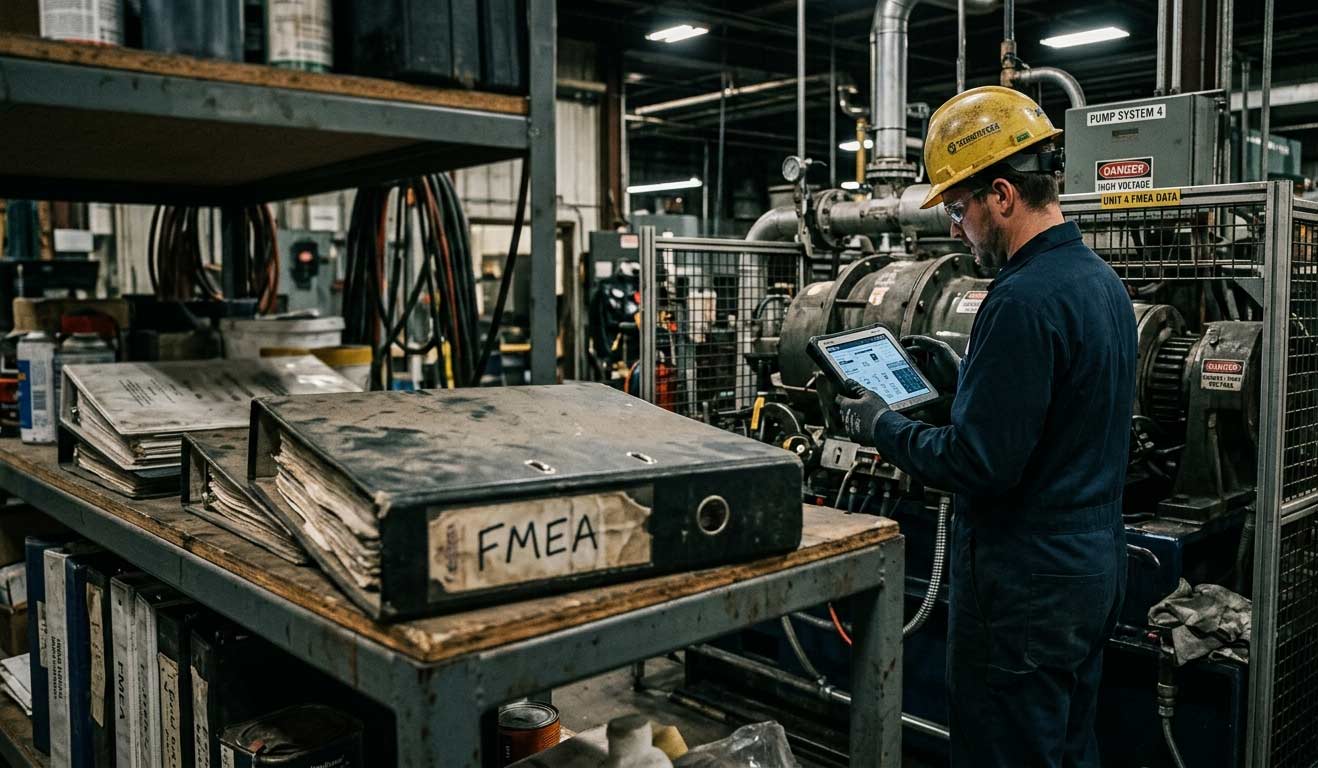
Why Your FMEA Is Sitting in a Binder (And What It Should Be Doing Instead)
Most facilities have an FMEA — but it’s collecting dust in a binder instead of driving decisions on the floor. Here’s how to turn your risk analysis into a living tool that actually protects uptime.

2026-04-24
CMMS Features and Functionality: What to Look for in a Maintenance Management System
Not all CMMS (Computerized Maintenance Management System) platforms are built the same, and in industries like quarrying, aggregates, cement, and ready-mix concrete, there are certain capabilities that carry more weight than others. The CMMS features that matter most for maintenance teams in asset-intensive industries include things such as centralized asset data, work order automation, preventive and predictive scheduling, digital checklists, deviation management, fleet optimization, and mobile-first design with offline capability.

2026-04-24
Cement Plant Inspection Checklist: What to Check, When to Check It, and Why It Fails
Most unplanned shutdowns in a cement plant don’t come out of nowhere. There’s usually a trail beforehand. Maybe a kiln bearing that’s been running 15 degrees above baseline for three weeks, noted by the operator on shift but never formally flagged because it hadn’t tripped an alarm yet. The issue isn’t a lack of warning, its that small deviations are often tolerated until they tip over into something serious.

2026-04-01
How to Choose the Right Work Order App for Your Industry
When something breaks on site, the fix gets most of the attention, but it’s rarely where things go wrong. What’s just as critical is everything around it: who reported it, who picked it up, what got missed between shifts, and how long it sat before anyone acted. In many operations, that whole flow is still held together by paper forms, radio calls, and memory.