CheckProof Releases Construction Materials Industry Report 2026

Heavy Equipment Maintenance

Author
Anju Khanna Saggi
Content & Media Relations
Published: 2025-03-14
Consistent and clear maintenance processes are important for most of your assets; however, for heavy equipment maintenance, it becomes critical. Not only does a systematic maintenance strategy help ensure longevity and optimal performance in heavy equipment, but it also minimizes the risk of accidents and breakdowns. This post covers the distinct characteristics of heavy equipment maintenance and how it can reduce costs and increase availability and productivity when done right. Above all, it will increase on-site safety and contribute to fewer accidents and a safer work environment for all.
This article covers:
- What is considered Heavy Equipment in the Construction Materials Industry?
- Characteristics of Maintenance on Heavy Equipment
- How Equipment Preventive Maintenance Can Help Reduce Costs and Prevent Downtime
- Importance of Scheduling and Checklists
- CheckProof’s Solution for Equipment Maintenance Software
What is considered Heavy Equipment in the Construction Materials Industry?
In the construction materials industry, heavy equipment will typically be some of the most expensive assets on site – and often the most complicated to maintain.
Heavy equipment or heavy-duty machinery is specifically constructed for heavy-duty tasks. Designed to operate on simple mechanical engineering but with powerful force. Examples of construction machinery maintenance include the following:
- Tractors
- Crushers
- Loaders
- Conveyor Belts
Characteristics of Maintenance on Heavy Equipment
A successful construction equipment maintenance strategy involves a range of activities designed to keep the machinery running safely, smoothly, and efficiently. It is important to bear in mind that there is usually a large health & safety aspect involved in heavy equipment maintenance. For example, when performing maintenance on wear-metal on crushers in a quarry, lifting plans and isolation procedures are required to ensure that the asset is securely locked off, preventing any accidental activation.
The process often referred to as Lock Out, Tag Out, Try Out (LOTOTO) is critical in this context. This procedure involves securing the machine’s power sources to ensure it cannot be powered on unexpectedly, much like locking car keys in a box for safety.
Ensuring that machines cannot be powered on inadvertently during maintenance performance is crucial in a diverse and potentially hazardous environment. Effective guarding is also essential; any points where two moving parts meet, known as NIP points, or any fast-moving parts that could cause injury, must be enclosed and secured with tools.
Maintenance in quarries involves multiple steps and intricate processes. For example, the functioning of a crusher depends on various factors, including what is feeding it and where the output is going. External factors such as weather and ground conditions also play a significant role. Construction equipment maintenance software can help streamline these processes by digitizing tracking and scheduling. Predictive maintenance methods can be expensive, so it must be done correctly, balancing preventive and reactive approaches.
While condition-based maintenance is ideal, it is typically available only in advanced sites. Retrofitting older sites with modern sensors, such as Shaeffler and HID Technology can make condition-based monitoring more accessible, enhancing the overall efficiency and safety of quarry operations.
Keeping the list below top of mind is a good start for construction equipment maintenance:
- Step-by-step guides: Heavy equipment maintenance is often a connected process consisting of a series of maintenance checks. Having a digital checklist available through equipment maintenance software ensures systematic execution.
- Regular Inspections: Routine checks to identify and address potential issues before they escalate, ideally combined with equipment preventive maintenance.
- Lubrication and Cleaning: Ensuring all moving parts are properly lubricated and machinery is clean to prevent wear and tear.
- Timely Component Replacement: Planning when to replace worn or damaged parts to maintain equipment performance and avoid breakdowns.
- Calibration and Adjustments: Ensuring equipment is calibrated correctly and making necessary adjustments to maintain precision.
- Documentation: Keeping detailed records of heavy equipment maintenance activities for future reference and compliance with regulations.
How Preventive Maintenance Can Help Reduce Costs and Prevent Downtime
Equipment preventive maintenance contributes to reduced costs and downtime by allowing for planned, rather than last-minute, labor and parts procurement. The approach leverages internal talent and schedules specialist visits, such as those from crusher fitters, at fixed times, in line with the company’s needs. By helping to avoid unexpected breakdowns, equipment preventive maintenance ensures parts are available when needed, minimizing downtime and maintaining productivity. In contrast, unplanned repairs on heavy equipment often result in rushed and expensive solutions, with costs skyrocketing, due to last-minute, desperate requests. Moreover, equipment failures tend to cause cascading issues, potentially blocking chutes and conveyor belts with the worst-case scenario being a shutdown of entire sites.
Therefore, the cost difference between proactive and reactive maintenance is substantial, making equipment preventive maintenance crucial for efficient and cost-effective operations.
Here are some ways preventive maintenance can help reduce costs and prevent downtime:
- Early Problem Detection: Identifying and addressing minor issues before they become major problems can save on expensive repairs and replacements.
- Increased Equipment Lifespan: Regular maintenance helps extend the life of equipment, reducing the need for costly replacements.
- Improved Efficiency: Well-maintained equipment operates more efficiently, leading to lower operational costs and energy consumption.
- Reduced Downtime: By preventing unexpected breakdowns, preventive maintenance ensures that equipment is available and operational when needed, minimizing production interruptions.
- Increased Availability and Productivity: By ensuring machines are always in optimal working condition, you can maximize operational uptime and make availability and productivity gains, ensuring stocks aren’t depleted.
Importance of Scheduling and Checklists
Maintenance tasks in a quarry can vary in frequency and detail, from daily quick checks to more comprehensive weekly and monthly inspections.
- Daily checks are typically brief, focusing on immediate, observable issues.
- Weekly checks might delve a bit deeper.
- Monthly inspections are thorough and resource intensive.
Striking a balance is crucial, especially in operations with tight profit margins. Over-allocating resources to maintenance can result in inefficiencies, such as dedicating a full-time person to these tasks daily, which might not be sustainable.
When the plant is not running, checks can include inspecting lubrication, ensuring grease levels are adequate, and verifying that bearings run smoothly. These tasks often require removing guards, which is only feasible when the machinery is idle. Conversely, while the plant is operational, inspections might focus on monitoring temperature, listening for unusual noises, and feeling for vibrations. Certain adjustments, like tuning conveyor belts, can only be made while the machinery is running, highlighting the need for continuous, real-time monitoring and maintenance.
Bearing this in mind, effective heavy equipment maintenance relies on thoughtful scheduling coupled with customized checklists.
Some immediate gains are:
- Consistency: Scheduling maintenance tasks ensures regular and consistent checks, mitigating oversight.
- Accountability: Digital, customized checklists in equipment maintenance software outline tasks that need to be completed and to whom they should be assigned, ensuring accountability. Coupled with CheckProof’s RFID tag function on heavy equipment, it will minimize any shortcuts being taken.
- Efficiency: Well-planned schedules streamline heavy equipment maintenance, saving time and resources.
- Compliance: Following construction equipment maintenance protocols helps meet regulatory and safety standards.
Checkproof’s Solution for Preventive Maintenance on Heavy Equipment
A complex maintenance routine requires a simple system for effective execution! CheckProof’s heavy equipment maintenance app offers digital tools designed to streamline heavy equipment maintenance and equipment preventive maintenance processes.
Planning Tool: A resource-management system that puts your calendar to shame. CheckProof’s Planning Tool helps you manage maintenance tasks and team members across sites from one place. With heavy equipment, there is a crucial need for agile operations. Automate scheduling of maintenance activities, with appropriate intervals and ensure tasks don’t fall behind, due to staff absence or other reasons. Often when analyzing root causes of heavy equipment failure, missed checks due to absent staff are a common culprit.
RFID Tag Scanning: This feature ensures that no area of the plant is overlooked, including those less frequented. RFID technology enables a quick scan of tags on your heavy equipment.
Customized Checklists: Heavy equipment tends to come with a tome-like manual. With a mixed fleet, this can quickly become difficult to manage. With CheckProof, you can download the manuals onto the platform for easy access. You can also create customized checklists for troubleshooting manuals, giving step-by-step instructions until you’ve found the root cause. All of this contributing to effective construction equipment maintenance.
Visuals & Mentions: You’re an operator in a remote part of the quarry – if you discover a repair that needs to be done, how quickly can you share it with management and assign it to colleagues? By uploading a video or photo, you can immediately share the state of your equipment to the right person.
Optimizing Fleet Performance: The lifespan of your fleet is dependent on running time, which affects everything from service intervals and leasing costs to second-hand value. So, to maximize the return on your investment, you need to optimize your running time. CheckProof’s Fleet Optimization feature ensures the setting of range odometers to automatically trigger inspections if limits are exceeded, removing guesswork and reducing operator stress. The feature also tackles idling time, through data and gamification.
Deviation triggers: The system’s telematics feature enhances visibility by generating deviation messages directly from machines whenever an issue arises. These messages can be categorized by severity: minor issues are directed to assistant managers, serious ones to managers, and health and safety concerns to the designated H&S personnel. This automated grading and notification system ensures accountability and prompt response, with defects captured on a heavy equipment maintenance app immediately reported to the appropriate fitter or engineer, alleviating the burden on operators.
Intelligent Integrations: Every plant is different, and the state of their fleet can vary from truly advanced to decidedly old. What’s true for most sites, however, is that they will operate with a mixed fleet. CheckProof offers API and integrations so you can stream telematics data in real-time into equipment maintenance software and get a true representation of your assets.
By incorporating CheckProof into your heavy equipment maintenance strategy, you can ensure construction equipment maintenance is conducted proactively, efficiently, and in compliance with industry standards.
Author
Want to know what CheckProof can do for you?
CheckProof's easy-to-use app makes it easier to do the right thing at the right time. Discover how you can run world-class maintenance that is both cost-effective and sustainable.
Book a demo

2026-09-29
The AggNexus 2026 Report: Highlights from the Digital Innovation Conference
AggNexus 2026 in Austin was the biggest edition yet. After a year of AI first steps, the focus shifted to how to get people to change. Here are CheckProof’s key takeaways on change management, fast-moving AI, compliance and passing on know-how.
2026-09-24
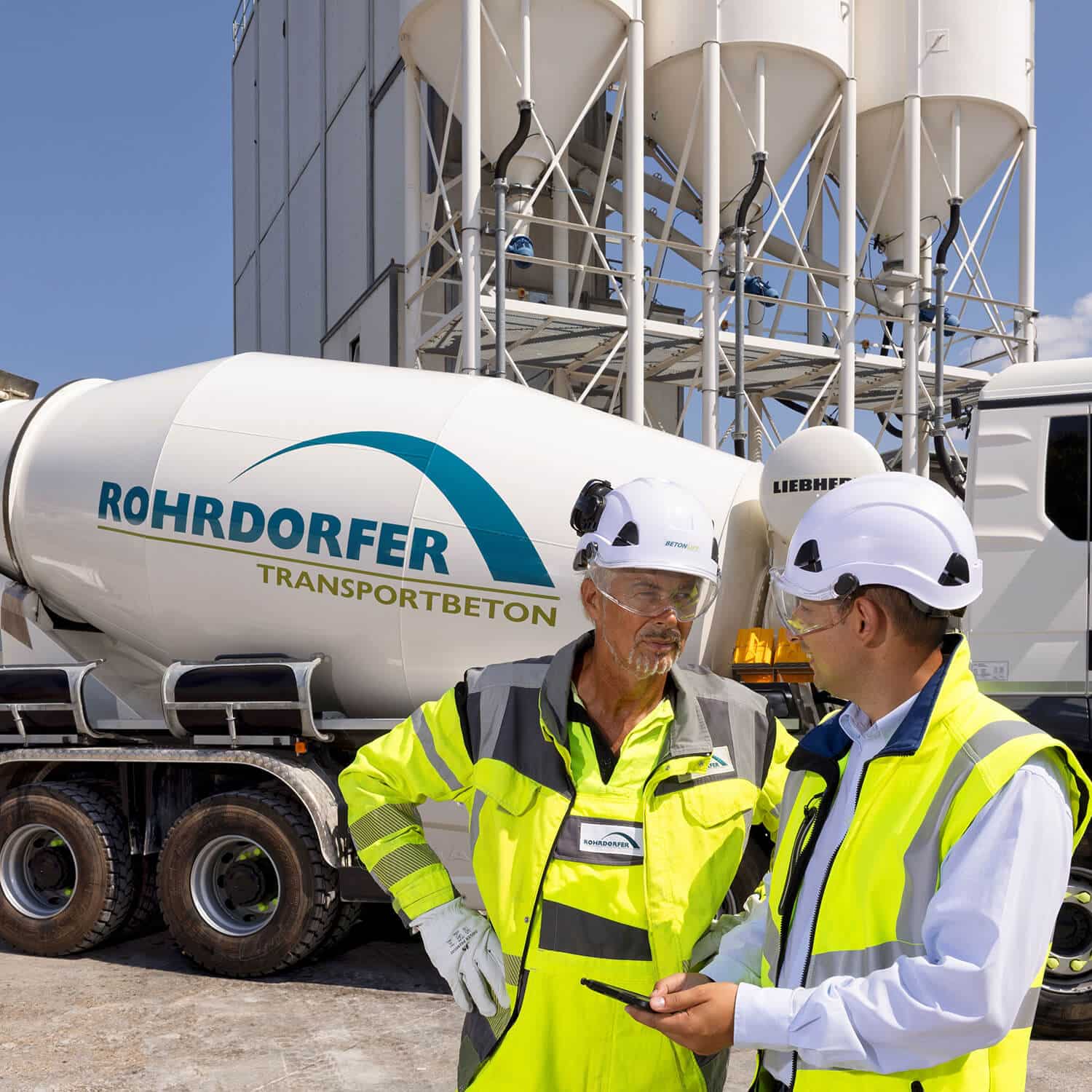
A Stronger Foundation: Rohrdorfer on Digitizing Safety and Efficiency
Rohrdorfer, a leading construction materials producer in five countries, has used CheckProof for years to streamline safety, maintenance and quality work and to sharpen its customer focus.

2026-07-10
10 Must-Have Features for an Incident Management Platform in the Heavy Industry
When an incident happens, every minute matters. A near miss, equipment damage, or a hydraulic leak can quickly become a bigger risk if the issue is not reported, investigated, and followed up properly. When an incident happens, every minute matters. A near miss that goes unreported, or a fault that isn’t followed up, can quickly become a bigger risk if the issue is not reported.

2026-07-09
The Benefits of a Quarry Crusher Management Software
Paper forms, scattered systems, and knowledge locked in one person’s head all delay the same thing: catching crusher problems before they become breakdowns. This piece covers the four biggest challenges in crusher operations and how CheckProof brings inspections, maintenance, and issue tracking into one place.

2026-07-06
Hillhead 2026 – The CheckProof Report
Hillhead 2026 broke every record with 627 exhibitors and three days packed with electric machinery, connected intelligence, and sustainable innovation. CheckProof was on the ground as an exhibitor and sponsor — here’s what our team took away from the show floor.

2026-06-12
Brice Aggregates: What Operational Excellence Looks Like at a Needingworth Quarry
The inaugural CheckProof Industry Excellence Award winners on going digital from the ground up, and the moment their frontline teams bought in.
2026-05-07
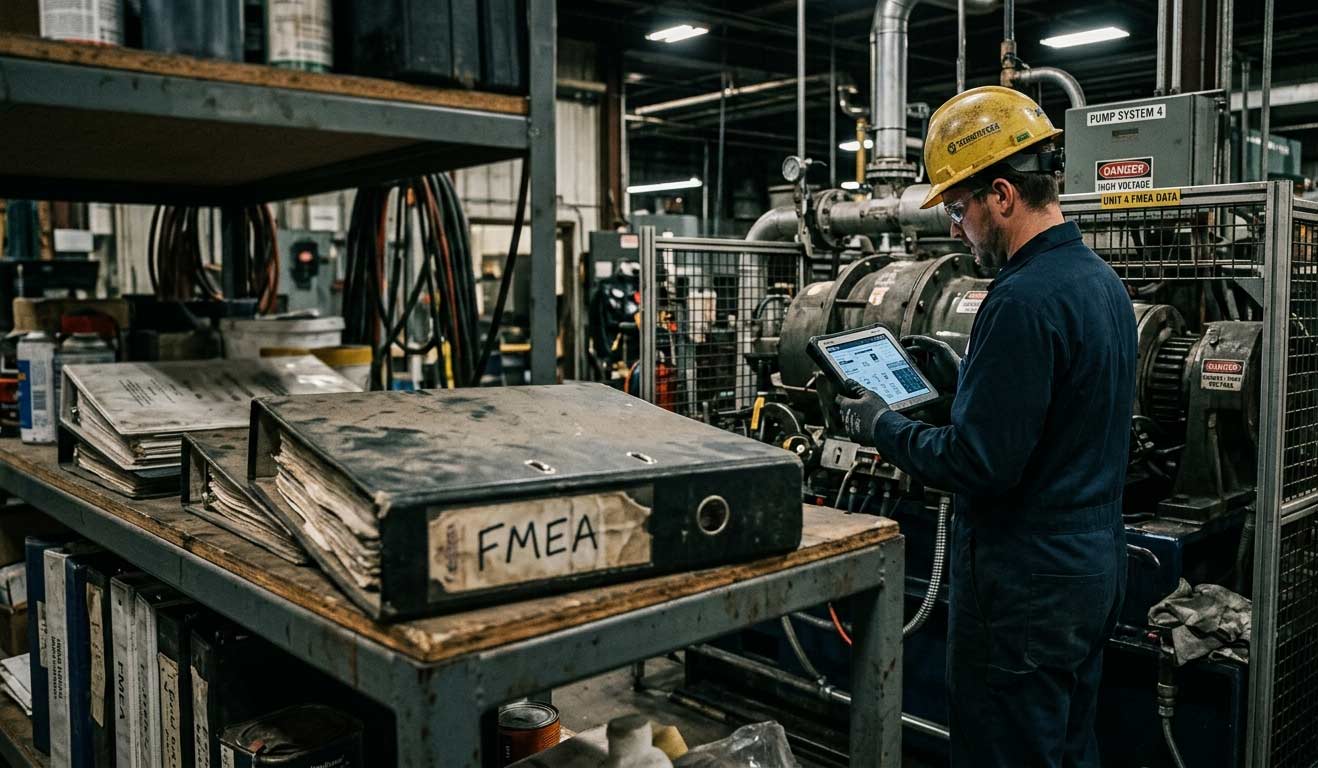
Why Your FMEA Is Sitting in a Binder (And What It Should Be Doing Instead)
Most facilities have an FMEA — but it’s collecting dust in a binder instead of driving decisions on the floor. Here’s how to turn your risk analysis into a living tool that actually protects uptime.

2026-04-24
CMMS Features and Functionality: What to Look for in a Maintenance Management System
Not all CMMS (Computerized Maintenance Management System) platforms are built the same, and in industries like quarrying, aggregates, cement, and ready-mix concrete, there are certain capabilities that carry more weight than others. The CMMS features that matter most for maintenance teams in asset-intensive industries include things such as centralized asset data, work order automation, preventive and predictive scheduling, digital checklists, deviation management, fleet optimization, and mobile-first design with offline capability.

2026-04-24
Cement Plant Inspection Checklist: What to Check, When to Check It, and Why It Fails
Most unplanned shutdowns in a cement plant don’t come out of nowhere. There’s usually a trail beforehand. Maybe a kiln bearing that’s been running 15 degrees above baseline for three weeks, noted by the operator on shift but never formally flagged because it hadn’t tripped an alarm yet. The issue isn’t a lack of warning, its that small deviations are often tolerated until they tip over into something serious.

2026-04-01
How to Choose the Right Work Order App for Your Industry
When something breaks on site, the fix gets most of the attention, but it’s rarely where things go wrong. What’s just as critical is everything around it: who reported it, who picked it up, what got missed between shifts, and how long it sat before anyone acted. In many operations, that whole flow is still held together by paper forms, radio calls, and memory.