CheckProof Releases Construction Materials Industry Report 2026

Total Preventive Maintenance (TPM): What It Is, and How To Build a TPM Strategy

Author
Anju Khanna Saggi
Content & Media Relations
Published: 2025-07-21
Last updated: 2026-09-28
Total Preventive Maintenance (TPM), also referred to as Total Productive Maintenance, is a proactive maintenance strategy designed to minimize reactive maintenance and unplanned downtime. While it shares similarities with preventive maintenance, TPM goes further by taking an all-encompassing approach: engaging all levels of the organization to work toward optimizing equipment performance, output, and overall productivity.
In this article, we’ll explore what Total Preventive Maintenance is, its key benefits, and essential steps to consider when implementing a TPM strategy.
Key takeaways
-
- Total Preventive Maintenance is a company-wide strategy that makes equipment reliability a shared responsibility, not just a maintenance task.
- TPM aims to reduce breakdowns, defects and production losses while improving OEE, equipment lifespan and employee involvement.
- Its eight pillars connect operator-led maintenance, planned maintenance, training, safety, quality and continuous improvement.
- Building a TPM system requires identifying critical assets, standardizing tasks, assigning responsibilities and improving routines using performance data.
- CMMS software supports TPM through digital checklists, automated schedules, mobile reporting, asset history, and maintenance tracking.
Talk to a TPM Expert
What Is Total Preventive Maintenance (TPM)?
The term Total Preventive Maintenance originates from the concept of Total Productive Maintenance and is now often used interchangeably. Total Productive Maintenance was introduced by the Japan Institute of Plant Maintenance, in the 1970s, building on practices already in use across industries. It was a structured methodology that emphasized company-wide involvement, from frontline operators to leadership. Unlike traditional maintenance, which was largely confined to technical teams, Total Productive (or Preventive) Maintenance promotes shared responsibility across the entire organization.
TPM is essentially a comprehensive maintenance strategy aimed at enhancing the performance and reliability of manufacturing equipment through focussed, scheduled and proactive upkeep and preventive practices.
Benefits of Total Preventive Maintenance
Numerous studies show support for a positive correlation between TPM and business performance, leading to higher Overall Equipment Effectiveness (OEE) scores. Improved processes and a culture of continuous improvement are core to TPM. With strong internal communication and support across all management tiers, TPM can align the organization toward shared performance goals. Key benefits of implementing TPM include:
- Fewer breakdowns and unplanned stops, reducing costly downtime
- Lower operational costs through more efficient use of equipment and labor
- Improved equipment reliability and performance, sustaining machines at optimal levels
- Extended equipment lifespan through proactive maintenance
- Reduction or elimination of stoppages and slow-running issues
- Fewer defects and accidents, with a target set on zero-defect and zero-accident goals
- Higher employee engagement, with operators empowered to take ownership of maintenance routines
By embedding TPM into daily operations, businesses can create a high-performing, safer, and more resilient production environment.
Book a demo
The eight pillars of Total Preventive Maintenance
To successfully implement TPM, organizations focus on eight foundational pillars that work together to improve equipment efficiency, reduce downtime, and engage the entire workforce in continuous improvement:
- Autonomous Maintenance
This strategy requires trained machine operators to take continuous ownership of their equipment by performing routine tasks, like cleaning, inspecting, and minor maintenance, on a standardized schedule, rather than relying solely on dedicated technicians. For example, a crusher operator checking belt tension and clearing buildup around the feed chute at the start of every shift, rather than waiting for a technician to flag it. - Continuous/Focused Improvement
Small, targeted improvements are made regularly to eliminate inefficiencies and reduce waste. For example, a ready-mix plant adjusting batching sequences to cut cycle time between loads by a few minutes, compounding into significant throughput gains over a month. - Planned Maintenance
Maintenance activities are scheduled proactively based on usage or time intervals to minimize unexpected failures and optimize equipment performance. For example, scheduling conveyor idler replacements based on running hours rather than waiting for a bearing to seize and halt the line. - Quality Maintenance
Assets and heavy equipment are maintained to prevent errors and support consistent, defect-free production. For example, calibrating asphalt plant sensors regularly so mix temperatures stay within spec and batches aren't rejected for quality failures - Education and Training
Employees at all levels receive ongoing training to build skills in equipment handling, maintenance, and problem-solving. For example, cross-training quarry operators on basic hydraulic troubleshooting so a minor excavator issue doesn't sit idle waiting for a specialist. - Health, Safety and Environment
Maintenance practices are designed to minimize environmental impact and protect workers from injury or health risks. For example, maintaining dust suppression systems at a cement plant to protect worker health and stay within environmental permits. - Early Equipment Management
Maintenance and operations teams collaborate with design teams to build equipment that is easier to maintain and more reliable thus reducing project risks and costs by solving equipment issues early. For example, involving maintenance teams when specifying a new asphalt drum mixer so access panels and lubrication points are positioned for easy servicing from day one. - Workforce Engagement
Everyone, from shop floor to leadership, is involved in TPM activities, creating shared ownership and accountability for performance. For example, plant leadership reviewing downtime data with operators weekly, so frontline staff have input into what gets prioritized for maintenance.


Key components of a Total Preventive Maintenance System
While the 8 pillars of TPM lay the foundation, an effective TPM system is built on practical structures such as processes, roles, tools, and tracking, that turn a TPM strategy into a roadmap for daily action. In practice this should always include:
- Scheduled Inspections
Routine inspections help detect early signs of wear or failure, allowing teams to intervene before issues escalate, whether it’s daily walkarounds or monthly equipment checks. - Standardized Maintenance Tasks
Consistency is key, checklists, SOPs, and repeatable processes ensure maintenance is performed the same way every time, minimizing variability and error. - Failure Tracking & Root Cause Analysis
Documenting breakdowns and analyzing root causes allows teams to learn from failures and implement solutions that prevent recurrence. - Technician Training & Documentation
Well-trained personnel supported by up-to-date manuals, guides, and digital documentation help ensure safe, reliable, and standardized maintenance execution.
How to build your TPM System in 5 steps
Now that we've covered the practical building blocks of a Total Preventive Maintenance system, like inspections, standardized tasks, and tracking, it’s invaluable to understand how to set it all up. This 5-step guide walks you through building a TPM strategy that can be applied across most operations, from the ground up.
Step 1: Identify Critical Assets and Failure Modes
Start by pinpointing your most essential equipment and analyzing where and why failures typically occur using tools like Failure Mode and Effects Analysis (FMEA) or past maintenance data.
Step 2: Create a Total Preventive Maintenance Checklist
Develop tailored digital checklists with routine tasks specific to each machine or asset type. Think lubrication, calibration, cleaning, and safety checks.
Step 3: Assign Schedules and Roles
Define when tasks should happen (daily, monthly, or usage-based) and who is responsible, ensuring accountability and timely execution.
Step 4: Implement Maintenance Tracking Software
Use digital tools to automate scheduling, send reminders, log completed tasks, and generate reports, all in one place.
Step 5: Monitor, Optimize & Scale
Track key metrics, evaluate what’s working, and continuously adjust to improve uptime and extend the TPM system across more assets or sites.
Choosing a Total Preventive Maintenance Software
When evaluating software for your business to support your Total Preventive Maintenance strategy, consider a solution that simplifies daily maintenance tasks as well as supports your long-term operational goals. These key features should be prioritized:
- Mobile Access: Equip teams with mobile devices, so they can conduct maintenance inspections, log checks, and report deviations in real-time. The ability to perform inspections through a phone or tablet dramatically reduces repair times and delays, minimizing downtime as a result.
- Scheduling & Automation: Ability to automate routine maintenance tasks and alerts, and sync updates in real time between desktop and mobile. Ensuring clear communication, instant visibility, and fully documented maintenance activity across your teams.
- Customizable Reporting & Dashboards: Get actionable insights into equipment health, compliance, and maintenance performance.
- Implementation Support: A robust onboarding process ensures smoother adoption and training across teams, reinforcing the eighth pillar (workforce engagement), where all teams are aligned on a common goal.
By laying the groundwork with strong processes, engaged teams, and the right tools, you can build a Total Preventive Maintenance system that drives performance, productivity, and long-term operational success.
Contact CheckProof
FAQ - Total Preventive Maintenance
Want to know what CheckProof can do for you?
CheckProof's easy-to-use app makes it easier to do the right thing at the right time. Discover how you can run world-class maintenance that is both cost-effective and sustainable.
Book a demo
2026-09-29
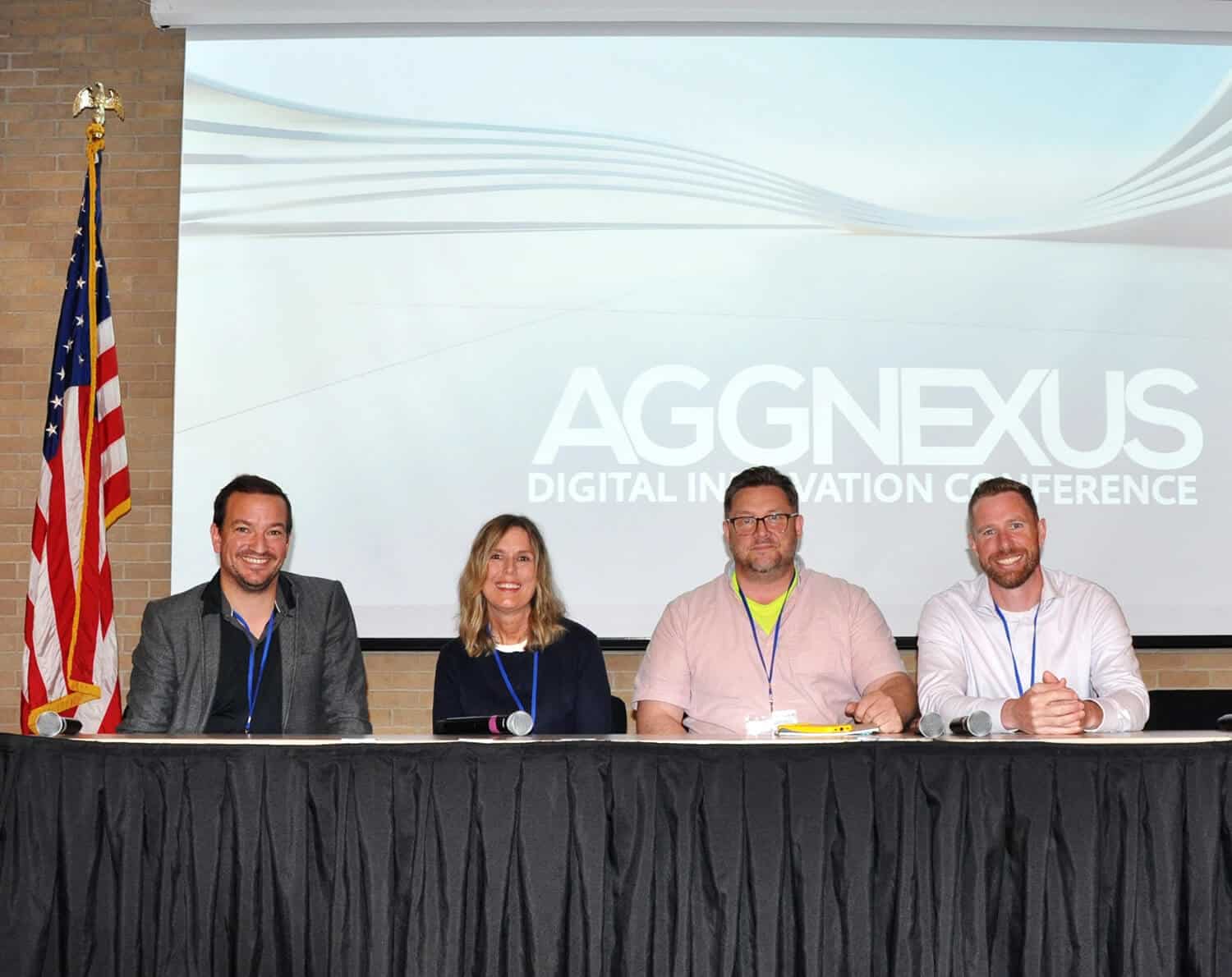
The AggNexus 2026 Report: Highlights from the Digital Innovation Conference
AggNexus 2026 in Austin was the biggest edition yet. After a year of AI first steps, the focus shifted to how to get people to change. Here are CheckProof’s key takeaways on change management, fast-moving AI, compliance and passing on know-how.
2026-09-24
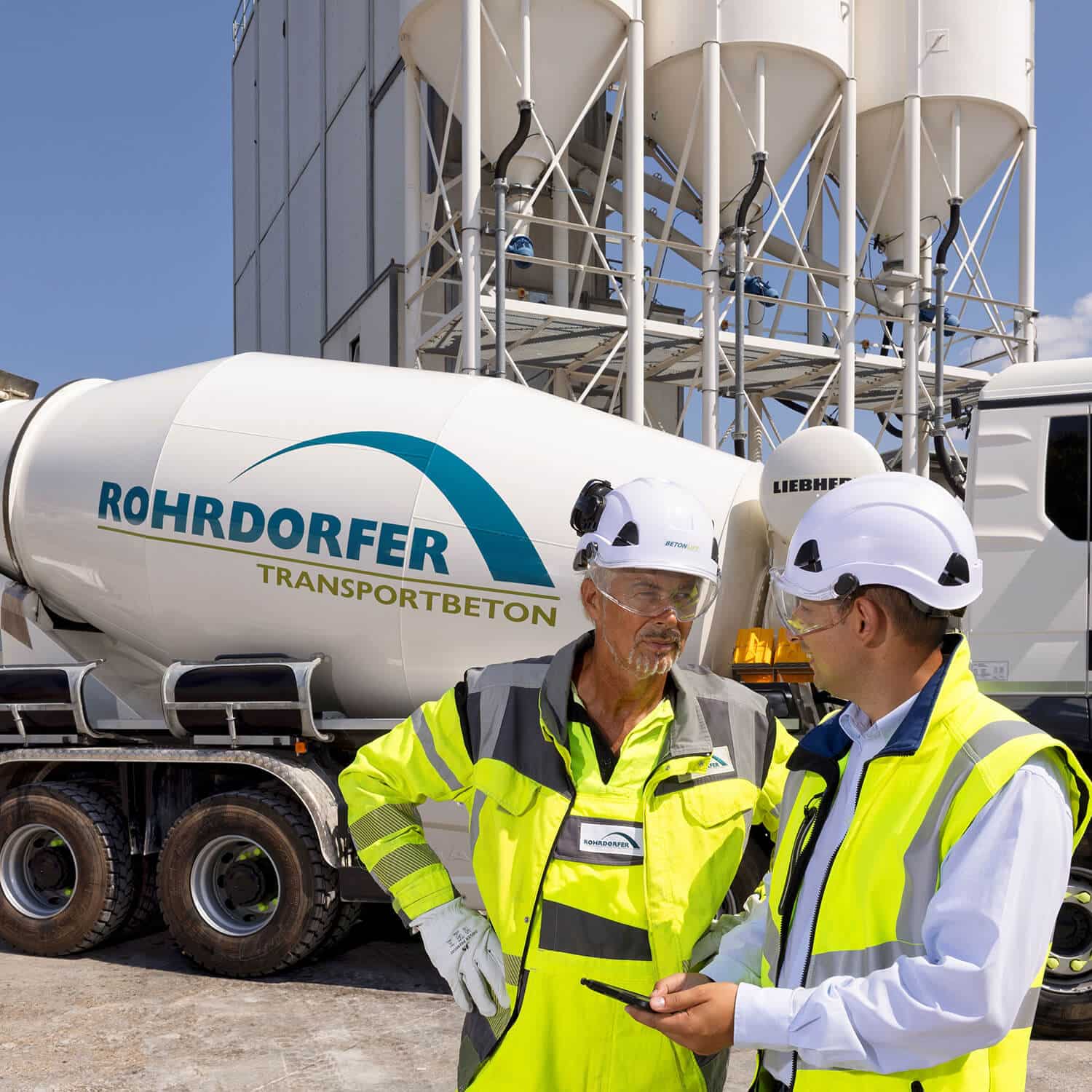
A Stronger Foundation: Rohrdorfer on Digitizing Safety and Efficiency
Rohrdorfer, a leading construction materials producer in five countries, has used CheckProof for years to streamline safety, maintenance and quality work and to sharpen its customer focus.

2026-07-10
10 Must-Have Features for an Incident Management Platform in the Heavy Industry
When an incident happens, every minute matters. A near miss, equipment damage, or a hydraulic leak can quickly become a bigger risk if the issue is not reported, investigated, and followed up properly. When an incident happens, every minute matters. A near miss that goes unreported, or a fault that isn’t followed up, can quickly become a bigger risk if the issue is not reported.

2026-07-09
The Benefits of a Quarry Crusher Management Software
Paper forms, scattered systems, and knowledge locked in one person’s head all delay the same thing: catching crusher problems before they become breakdowns. This piece covers the four biggest challenges in crusher operations and how CheckProof brings inspections, maintenance, and issue tracking into one place.

2026-07-06
Hillhead 2026 – The CheckProof Report
Hillhead 2026 broke every record with 627 exhibitors and three days packed with electric machinery, connected intelligence, and sustainable innovation. CheckProof was on the ground as an exhibitor and sponsor — here’s what our team took away from the show floor.

2026-06-12
Brice Aggregates: What Operational Excellence Looks Like at a Needingworth Quarry
The inaugural CheckProof Industry Excellence Award winners on going digital from the ground up, and the moment their frontline teams bought in.
2026-05-07
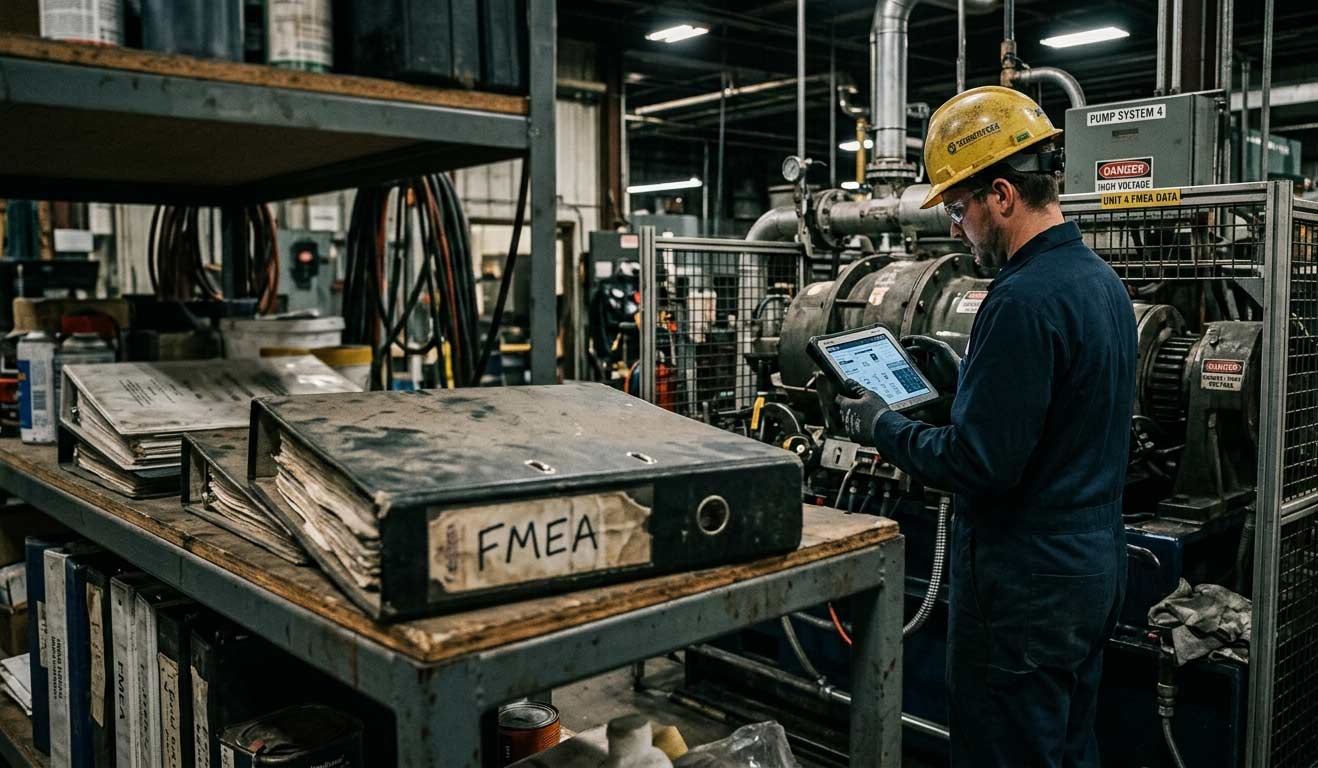
Why Your FMEA Is Sitting in a Binder (And What It Should Be Doing Instead)
Most facilities have an FMEA — but it’s collecting dust in a binder instead of driving decisions on the floor. Here’s how to turn your risk analysis into a living tool that actually protects uptime.
2026-04-24
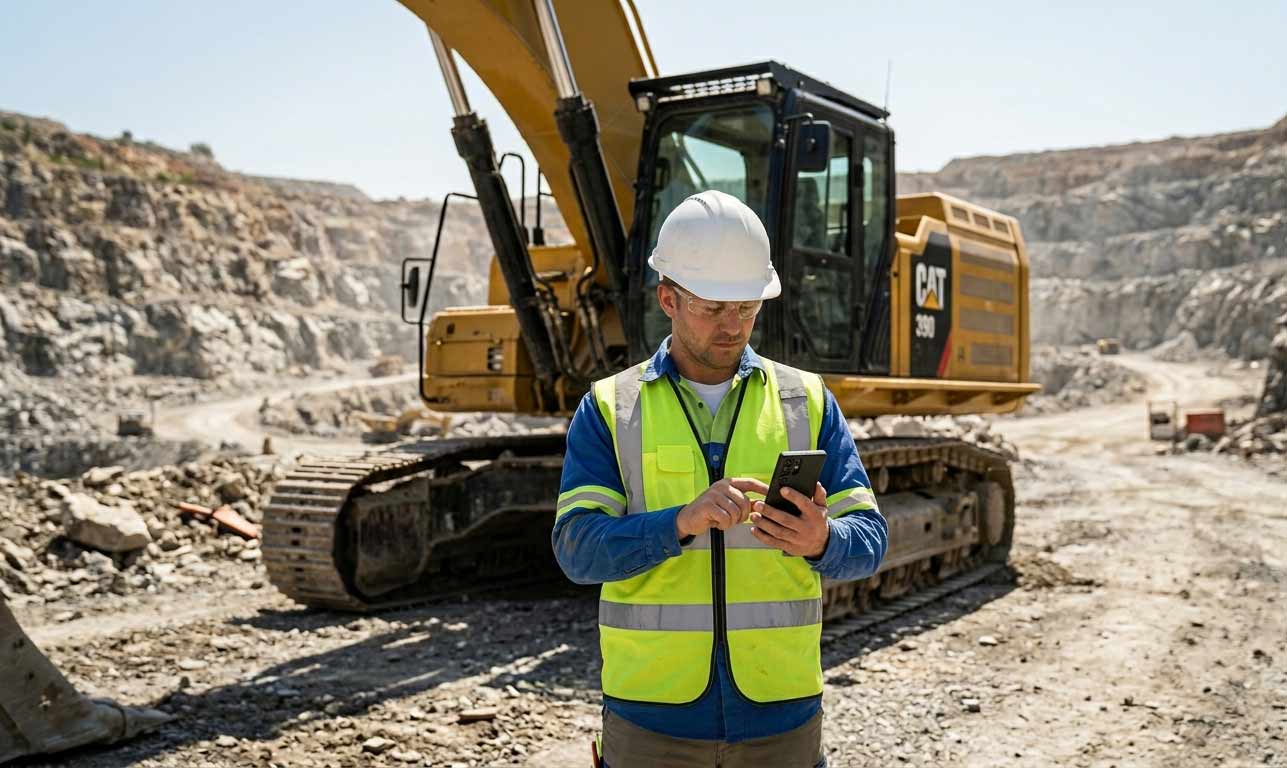
CMMS Features and Functionality: What to Look for in a Maintenance Management System
Not all CMMS (Computerized Maintenance Management System) platforms are built the same, and in industries like quarrying, aggregates, cement, and ready-mix concrete, there are certain capabilities that carry more weight than others. The CMMS features that matter most for maintenance teams in asset-intensive industries include things such as centralized asset data, work order automation, preventive and predictive scheduling, digital checklists, deviation management, fleet optimization, and mobile-first design with offline capability.

2026-04-24
Cement Plant Inspection Checklist: What to Check, When to Check It, and Why It Fails
Most unplanned shutdowns in a cement plant don’t come out of nowhere. There’s usually a trail beforehand. Maybe a kiln bearing that’s been running 15 degrees above baseline for three weeks, noted by the operator on shift but never formally flagged because it hadn’t tripped an alarm yet. The issue isn’t a lack of warning, its that small deviations are often tolerated until they tip over into something serious.

2026-04-01
How to Choose the Right Work Order App for Your Industry
When something breaks on site, the fix gets most of the attention, but it’s rarely where things go wrong. What’s just as critical is everything around it: who reported it, who picked it up, what got missed between shifts, and how long it sat before anyone acted. In many operations, that whole flow is still held together by paper forms, radio calls, and memory.