CheckProof Blog

Dive into our useful articles on interesting and trending topics.
Happy reading!

Featured image for “Fault Tree Analysis 101 – A Comprehensive Guide”
2026-02-06
Compliance
Efficiency
Inspections
Maintenance
Preventive Maintenance
Risk Assessment

Fault Tree Analysis 101 – A Comprehensive Guide

Equipment rarely fails for a single reason. Fault Tree Analysis (FTA) helps teams work backwards from a breakdown, separate symptoms from causes, and identify what needs to change to prevent repeat failures.
Featured image for “Downtime Reduction: How OEE, MTBF & MTTR Help You Stay Ahead”
2025-12-18
Compliance
Health & Safety
Inspections
Maintenance
Quality
Risk Assessment

Downtime Reduction: How OEE, MTBF & MTTR Help You Stay Ahead

Reducing downtime starts with understanding why assets fail, how often they fail, and how teams respond. In aggregates, mining, ready-mix, trucking, and industrial plants, that insight is scattered across systems, paperwork, and the practical knowledge of operators who know which bearing runs hot or which sensor trips after rain.
Featured image for “Nonconformity (NC) vs. CAPA: When to Use Which?”
2025-12-17
Compliance
Health & Safety
Inspections
Maintenance
Quality
Risk Assessment

Nonconformity (NC) vs. CAPA: When to Use Which?

Non-conformities can be as simple as a safety guard left open, a machine leaking oil, a batch that doesn’t meet quality standards, or a safety check that gets skipped. These are routine nonconformity issues; in other words, deviations you correct quickly to stay compliant and keep production moving. But not every issue should be closed out and forgotten.
Featured image for “10 Most Common Types of Risk Assessments and When to Use Them”
2025-12-12
Compliance
Environment & Sustainability
Health & Safety
Risk Assessment

10 Most Common Types of Risk Assessments and When to Use Them

A strong risk management program uses the right approach for the situation — quick qualitative checks in the field or deeper quantitative analysis in planning. Knowing when to use each method is what transforms a checklist into a real safety tool that reduces exposure.
Featured image for “How to Identify Hazards and Reduce Them”
2025-12-11
Compliance
Environment & Sustainability
Health & Safety
Inspections
Risk Assessment

How to Identify Hazards and Reduce Them

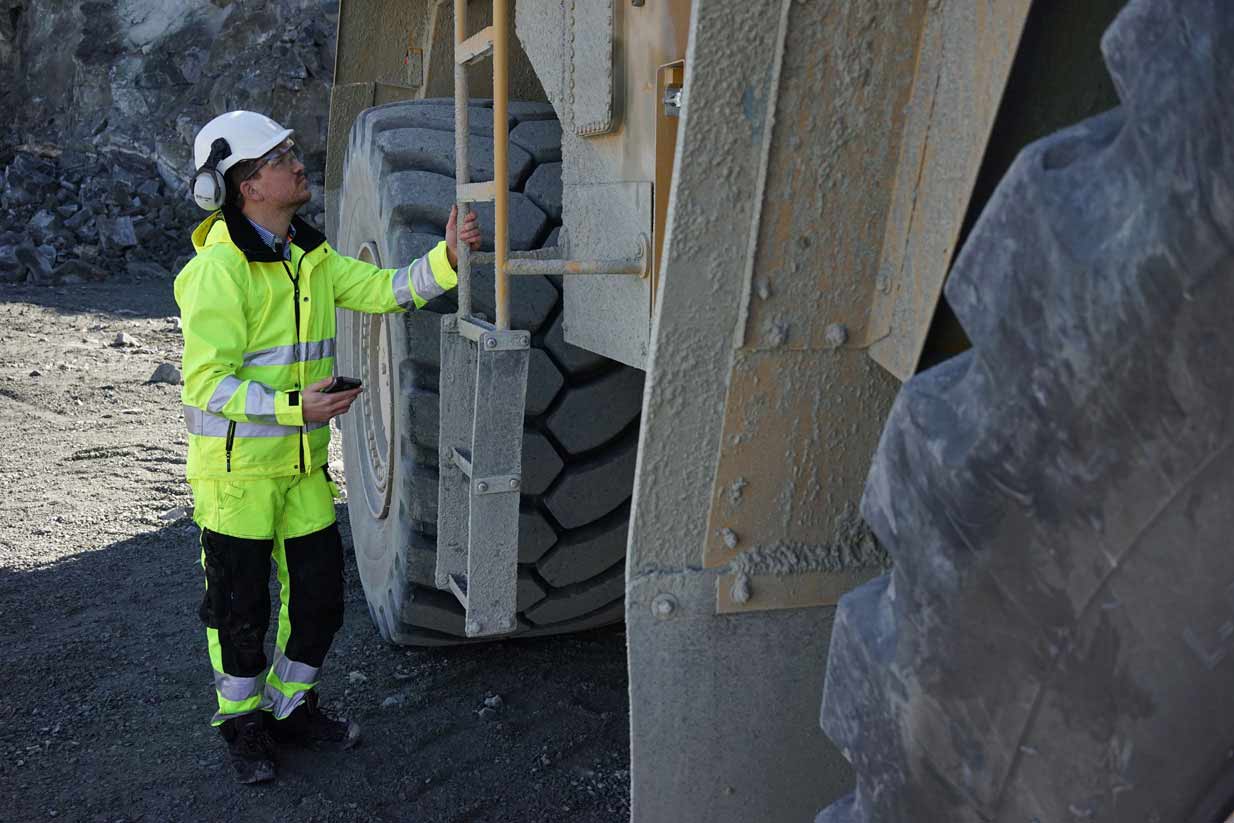
Hazards don’t announce themselves. Sometimes it’s a loose handrail you’ve walked past a hundred times, a wet patch under a conveyor, or a loader operator with a blind spot during a busy load-out. The more familiar the site becomes, the easier it is to miss what’s right in front of you.
Featured image for “Why Use a Digital Risk Assessment?”
2025-12-10
Compliance
Inspections
Risk Assessment

Why Use a Digital Risk Assessment?

At CheckProof, we’ve made it easier than ever to conduct, track, and follow up on risk assessments – all in one place. This article dives into how digital risk assessment works and, more importantly, why making the switch from paper or spreadsheets can have a real impact on safety, efficiency, and accountability across your operations.
Featured image for “MSHA Inspection Checklist – How to Prepare for the Next Inspection”
2025-12-09
Compliance
Environment & Sustainability
Inspections

MSHA Inspection Checklist – How to Prepare for the Next Inspection

Surprise MSHA visits are never “convenient.” But they also shouldn’t trigger panic. If your MSHA inspection checklist is built into daily work instead of rushed together the week before the inspection, an inspector walking onto site is just another part of the day.
Featured image for “Best Practices and Pitfalls for the 5 Stages of Risk Assessments”
2025-12-04
Compliance
Environment & Sustainability
Health & Safety
Quality
Risk Assessment

Best Practices and Pitfalls for the 5 Stages of Risk Assessments

A solid risk assessment shouldn’t slow a crew down, rather, it should make the day more predictable (and of course: safe). The stages of a risk assessment are simple on paper, but a worksite rarely is. Equipment moves, weather shifts, and small changes in a task can create new risks and challenges that didn’t exist the day before.
Featured image for “How to Write Work Instructions that Frontline Will Follow”
2025-11-28
Compliance
Inspections
Maintenance

How to Write Work Instructions that Frontline Will Follow

Work instructions only work when they match reality. The best feel like a teammate—clear steps, real photos, and helpful callouts. The worst feel like paperwork written far from the plant.
Featured image for “How 5 Whys and Ishikawa Complement Each Other”
2025-11-25
Compliance
Health & Safety
Risk Assessment

How 5 Whys and Ishikawa Complement Each Other

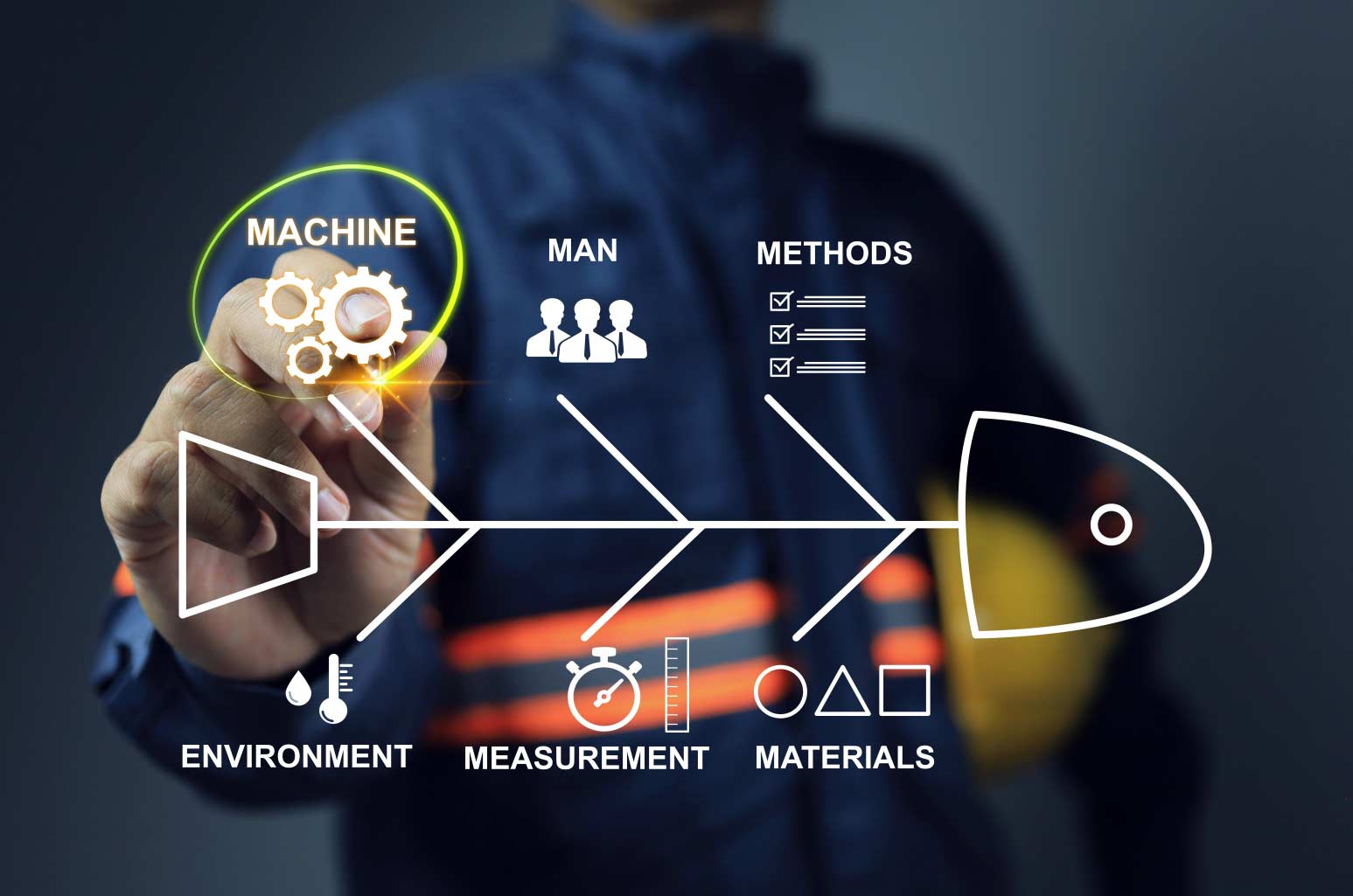
Breakdowns often look simple on the surface, but the real cause lies deeper. With Root Cause Analysis (RCA) and tools like the Ishikawa (Fishbone) Diagram, teams can uncover underlying issues and prevent problems from returning.

Subscribe to Frontline News and Trends

CheckProof’s monthly newsletter gives you the latest insights and trends from your industry. Get quality articles, useful guides and client case studies directly in your inbox!